Requisitos de licencia de cuidado infantil en Alaska: guía completa
Alaska exige que todas las instalaciones de cuidado infantil que atienden a niños tengan licencia del estado. Ya sea que estés abriendo un centro de cuidado infantil, un hogar grupal o un programa en el hogar, esta guía cubre lo que necesitas saber para obtener y mantener una licencia de cuidado infantil en Alaska conforme a 7 AAC 57.
Nota: Los requisitos de licencia cambian con frecuencia. Esta guía refleja las regulaciones vigentes a principios de 2026. Verifica siempre los requisitos actuales directamente con el Alaska Department of Health, Child Care Program Office, antes de tomar decisiones de cumplimiento.
Panorama general: ¿quién regula el cuidado infantil en Alaska?
En Alaska, las licencias de cuidado infantil son administradas por el Alaska Department of Health (Departamento de Salud de Alaska, antes parte del Department of Health and Social Services), a través de su Child Care Program Office (Oficina del Programa de Cuidado Infantil). La Child Care Program Office es responsable de establecer los estándares, procesar las solicitudes, realizar inspecciones y hacer cumplir las regulaciones para todas las operaciones de cuidado infantil reguladas en el estado. En el Municipality of Anchorage (Municipio de Anchorage), las licencias de cuidado infantil son administradas localmente por el Anchorage Department of Health (Departamento de Salud de Anchorage).
Las regulaciones que rigen las licencias de las instalaciones de cuidado infantil se encuentran en el Alaska Administrative Code, Title 7, Chapter 57 (7 AAC 57). Alaska exige licencia para las instalaciones de cuidado infantil según el número de niños bajo cuidado:
Centro de cuidado infantil: Una instalación que brinda cuidado a 13 niños o más. Los centros deben cumplir requisitos integrales de personal, instalaciones y programa conforme a 7 AAC 57.
Hogar grupal: Una instalación, generalmente en una residencia ocupada, que brinda cuidado a entre 9 y 12 niños. Debe tener al menos dos cuidadores adultos, uno de los cuales es el administrador y debe tener al menos 21 años.
Hogar de cuidado infantil: Una operación en el hogar que brinda cuidado a un máximo de 8 niños, generalmente en una residencia ocupada. Debe tener al menos un cuidador/administrador que tenga al menos 21 años.
Importante
Los requisitos de licencia y las tarifas pueden cambiar. Verifica siempre los requisitos actuales directamente con el Alaska Department of Health, Child Care Program Office, o visita su sitio web oficial para obtener la información más actualizada.
Cómo solicitar una licencia de cuidado infantil en Alaska
El proceso de solicitud de licencia de cuidado infantil en Alaska implica varios pasos. Considera que el proceso puede tardar de varias semanas a varios meses, según la rapidez con la que puedas cumplir todos los requisitos.
- 1
Comunícate con la Child Care Program Office
Comienza por comunicarte con el Alaska Department of Health, Child Care Program Office para solicitar un paquete de solicitud y conocer los requisitos actuales. Si estás en Anchorage, comunícate en su lugar con el Municipality of Anchorage Department of Health.
- 2
Presenta tu solicitud (formulario CC52)
Completa y presenta el formulario CC52 Application for Provisional Child Care License. Deberás proporcionar información sobre tu instalación, plan de personal y estructura organizativa. Se requiere una tarifa de solicitud; consulta el sitio web del Department of Health para conocer los montos vigentes de las tarifas.
- 3
Completa las verificaciones de antecedentes
Se requieren verificaciones de antecedentes basadas en huellas dactilares para todas las personas asociadas con tu instalación que tengan 16 años o más. Estas deben completarse a través del State of Alaska Background Check Program (Programa de Verificación de Antecedentes del Estado de Alaska) antes de que se pueda emitir tu licencia.
- 4
Aprueba la inspección inicial
Un especialista en licencias realizará una inspección en el sitio de tu instalación para verificar que cumple todos los requisitos de espacio, seguridad, equipo y documentación. Cualquier deficiencia debe corregirse antes de que se otorgue tu licencia.
- 5
Recibe tu licencia provisional
Una vez que hayas cumplido todos los requisitos y aprobado tu inspección, el estado emitirá una licencia provisional de cuidado infantil. Después de demostrar un cumplimiento continuo, puedes recibir una licencia completa. La licencia debe colocarse en un lugar visible para los padres en tu instalación.
Requisitos de proporción de personal por niño en Alaska
Alaska establece proporciones específicas de niños por cuidador según las edades de los niños bajo cuidado. Estas proporciones están definidas en 7 AAC 57.505 y deben mantenerse durante todas las horas de operación.
| Grupo de edad | Proporción |
|---|---|
| Bebés (hasta 18 meses) | 1:5 |
| Niños pequeños (19-36 meses) | 1:6 |
| Preescolares (3-4 años) | 1:10 |
| Kínder (5-6 años) | 1:14 |
| Edad escolar (7-12 años) | 1:18 |
Para los grupos de edades mixtas, cuando se combinan bebés, niños pequeños y preescolares, se aplica la proporción de niños por cuidador correspondiente al niño más pequeño del grupo. Cuando hay niños de kínder y de edad escolar en un grupo mixto, la proporción debe ser congruente con la edad de la mayoría de los niños.
Un niño bajo cuidado que tenga 13 años o más debe contarse como niño de edad escolar para efectos de cumplir con los requisitos de proporción.
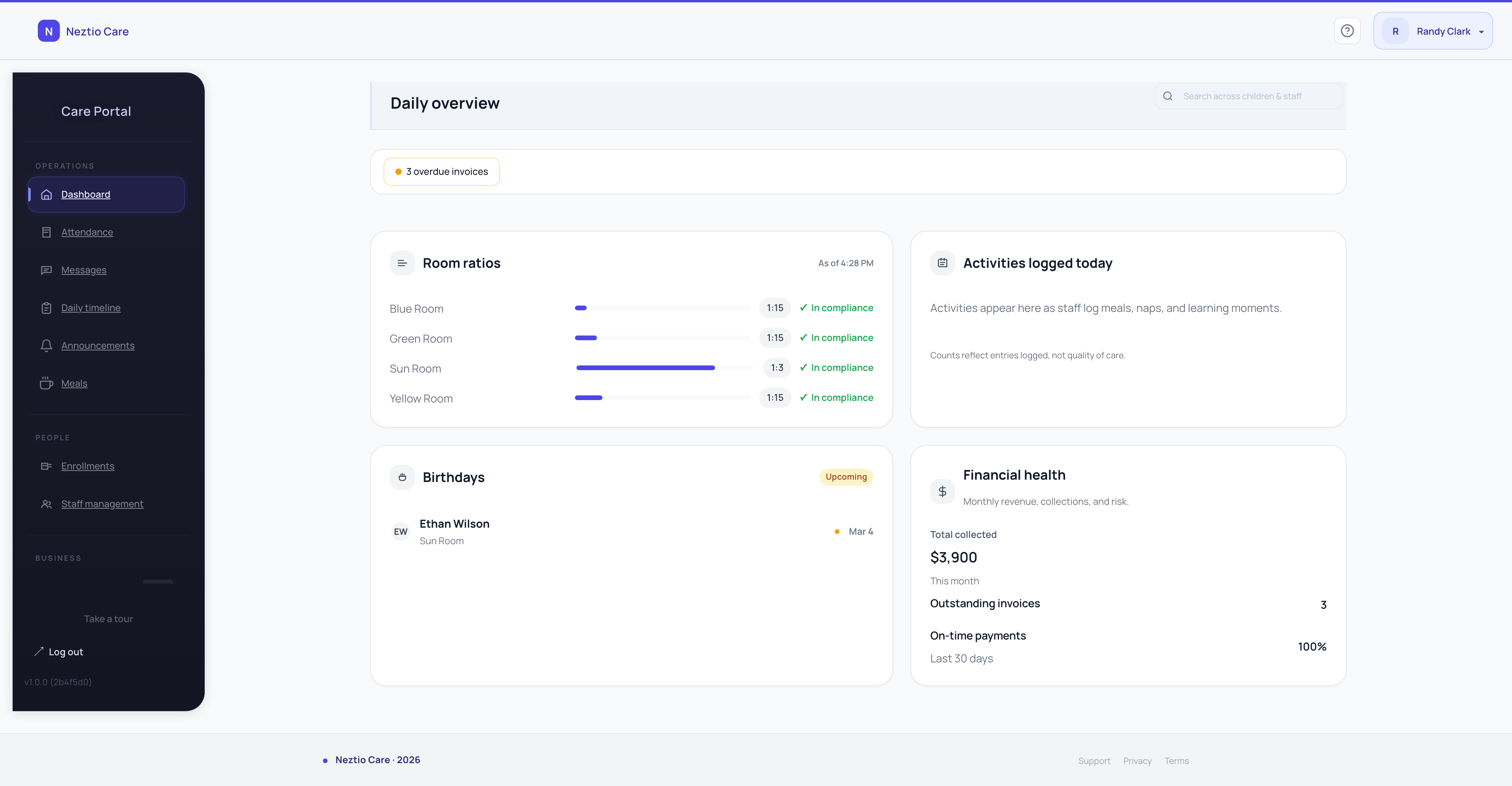
Estas proporciones provienen de 7 AAC 57.505. Los tamaños máximos de grupo se especifican en 7 AAC 57.510. Verifica las proporciones actuales con el Alaska Department of Health, ya que pueden actualizarse periódicamente. Para ayudarte a planificar el personal de tu salón, prueba nuestra calculadora de proporciones.
Requisitos de calificación y capacitación del personal
Alaska tiene requisitos específicos para los administradores y cuidadores que trabajan en instalaciones de cuidado infantil con licencia conforme a 7 AAC 57.300.
Edad del administrador: El administrador de un centro de cuidado infantil, un hogar grupal o un hogar de cuidado infantil debe tener al menos 21 años.
Educación del administrador: Los administradores deben presentar comprobante de educación apropiada para la edad y el desarrollo de los niños bajo cuidado. Las credenciales aceptables incluyen un título en desarrollo infantil temprano, psicología infantil o educación primaria. Los administradores sin una licenciatura que califique deben completar educación continua de al menos tres horas semestre de crédito universitario en cursos relevantes para el cuidado y desarrollo infantil cada dos años.
Habilidades del administrador: Los administradores deben tener habilidades para trabajar con niños, familiares, personal del departamento y agencias comunitarias, así como habilidades para manejar las finanzas, planificar y evaluar programas y supervisar al personal.
Capacitación anual: Cada miembro del personal debe completar 24 horas de capacitación en desarrollo infantil al año. La capacitación debe ser relevante para las edades y las necesidades de los niños bajo cuidado.
RCP y primeros auxilios: Al menos una persona con una certificación vigente de RCP y primeros auxilios debe estar de turno en todo momento cuando haya niños bajo cuidado.
Requisitos de verificación de antecedentes
Alaska exige verificaciones exhaustivas de antecedentes para todas las personas asociadas con una instalación de cuidado infantil con licencia.
Quién debe ser verificado: Todas las personas asociadas con tu instalación que tengan 16 años o más deben aprobar una verificación de antecedentes. Esto incluye administradores, cuidadores, suplentes, voluntarios y miembros del hogar en las instalaciones en el hogar.
Verificación basada en huellas dactilares: Las verificaciones de antecedentes se basan en huellas dactilares y se procesan a través del State of Alaska Background Check Program. Esto incluye verificaciones de antecedentes penales estatales y federales.
Verificaciones de registros: Las evaluaciones incluyen el registro de delincuentes sexuales y el registro de abuso y negligencia infantil.
Momento: Las verificaciones de antecedentes deben completarse antes de que una persona tenga contacto directo y sin supervisión con los niños bajo cuidado.
Excepción de Anchorage: En el Municipality of Anchorage, el proceso de verificación de antecedentes puede diferir ligeramente. Consulta con el Anchorage Department of Health los requisitos locales específicos.
Requisitos de las instalaciones
Tu espacio físico debe cumplir con los estándares de Alaska antes de que se pueda emitir una licencia. Los requisitos clave incluyen:
Espacio interior: Un mínimo de 35 pies cuadrados de espacio interior utilizable por niño. Esta medición excluye las cocinas, los baños, los pasillos, las áreas exclusivas para el personal y el almacenamiento.
Espacio exterior: Un mínimo de 75 pies cuadrados de espacio recreativo al aire libre por niño. Las áreas al aire libre deben estar cercadas de forma segura y libres de peligros, con equipo apropiado para la edad.
Equipo y materiales: Todo el mobiliario, las cunas y el equipo de juego deben ser seguros, estar en buen estado y ser apropiados para las edades de los niños inscritos. Los requisitos de equipo y materiales se detallan en 7 AAC 57.630.
Seguridad contra incendios: Se deben instalar y mantener detectores de humo y extintores de incendios en funcionamiento. Se requieren simulacros de incendio periódicos que deben documentarse. Tu instalación debe tener un plan de evacuación colocado a la vista.
Inspección de salud y seguridad: Tu instalación debe aprobar una inspección de salud y seguridad como parte del proceso de licencia. Esta abarca el saneamiento, las áreas de preparación de alimentos, las estaciones de cambio de pañal, las instalaciones para lavarse las manos y la limpieza general.
Requisitos de salud y seguridad
Los estándares de licencia de Alaska conforme a 7 AAC 57.550 incluyen requisitos detallados de salud y seguridad que las operaciones con licencia deben seguir todos los días.
Registros de vacunación: Se requieren registros de vacunación actualizados para todos los niños inscritos. Los registros deben mantenerse archivados y disponibles para inspección en todo momento.
Administración de medicamentos: Los medicamentos solo pueden administrarse con autorización escrita de los padres. Toda administración de medicamentos debe documentarse, incluidos el nombre del medicamento, la dosis, la hora en que se dio y el miembro del personal que lo administró.
Exclusión por enfermedad: Las operaciones deben tener procedimientos para identificar y manejar a los niños enfermos, incluidos cuándo un niño debe ser excluido del cuidado y cuándo se debe notificar a los padres.
Prácticas de sueño seguro: Para los bebés, Alaska exige el cumplimiento de las pautas de sueño seguro. Los bebés deben colocarse boca arriba para dormir en cunas aprobadas, sin ropa de cama suave, almohadas, protectores acolchados ni juguetes en la cuna.
Lavado de manos: Tanto el personal como los niños deben seguir procedimientos adecuados de lavado de manos, incluidos antes y después de las comidas, después de los cambios de pañal, después de usar el baño y después del juego al aire libre.
Procedimientos de emergencia: Los procedimientos de emergencia escritos deben colocarse a la vista y practicarse con regularidad. Dada la geografía y el clima de Alaska, las instalaciones también deben tener planes para la preparación ante terremotos y situaciones de clima extremo.
Requisitos de mantenimiento de registros
Las licencias de Alaska exigen que las operaciones de cuidado infantil mantengan registros detallados disponibles para su revisión durante las inspecciones. Mantener estos registros organizados y actualizados es una de las cosas más importantes que puedes hacer para seguir en cumplimiento.
Registros de asistencia: Registros diarios de entrada y salida de cada niño, con la hora registrada en cada entrada. Estos registros deben conservarse durante el periodo especificado por el Department of Health.
Registros de inscripción de los niños: Información completa de inscripción de cada niño, incluidos los contactos de emergencia, las personas autorizadas para recogerlo, la información médica, las alergias y los registros de vacunación.
Registros del personal: Expedientes de personal de cada empleado, incluidos los resultados de las verificaciones de antecedentes, la documentación de capacitación, las certificaciones y el historial laboral. El formulario CC56 Administrator Designation and Qualification Form debe estar archivado para tu administrador.
Informes de incidentes: Documentación escrita de cualquier lesión, accidente o incidente inusual que ocurra en la instalación, incluidos los detalles de lo sucedido y las acciones que se tomaron.
Plan de personal: Un formulario CC71 Child Care Facility Staffing Plan completo debe estar archivado y mantenerse actualizado, demostrando cómo tu instalación mantiene las proporciones requeridas de niños por cuidador a lo largo del día.
Consejo: El software de gestión de cuidado infantil como Neztio puede ayudarte a mantener registros digitales de asistencia, inscripción, documentación del personal y facturación, lo que facilita mucho mantenerte organizado y listo para inspecciones en todo momento.
Inspecciones y cumplimiento
Una vez con licencia, tu operación estará sujeta a un monitoreo continuo por parte del Alaska Department of Health o, si estás en Anchorage, del Municipality of Anchorage Department of Health.
Inspecciones sin previo aviso: Los especialistas en licencias realizan inspecciones sin previo aviso de las operaciones de cuidado infantil con licencia durante las horas normales de operación. Estas inspecciones pueden ocurrir en cualquier momento y pueden abarcar cualquier aspecto de tu operación.
Licencia provisional frente a licencia completa: Las instalaciones nuevas suelen recibir primero una licencia provisional. Después de demostrar un cumplimiento sostenido durante el periodo provisional, la instalación puede recibir una licencia completa.
Acción correctiva: Si se encuentran deficiencias durante una inspección, se le da a la operación un plazo determinado para corregir los problemas. El plazo depende de la gravedad de la deficiencia.
Acciones adversas: Las infracciones repetidas o graves pueden dar lugar a acciones adversas, incluidos el período de prueba, la suspensión de la licencia, la revocación de la licencia o sanciones monetarias. Las infracciones más graves pueden dar lugar a una suspensión de emergencia.
Learn & Grow: programa de calificación de calidad
Learn & Grow es el Quality Recognition and Improvement System (QRIS, Sistema de Reconocimiento y Mejora de la Calidad) de Alaska. Es un programa voluntario que ayuda a los programas de educación de la primera infancia a mejorar la calidad de su cuidado y a comunicar esa calidad a las familias. El programa es administrado por thread, la organización estatal de Child Care Resource & Referral (Recursos y Referencias de Cuidado Infantil) de Alaska.
Cinco niveles de calidad: Learn & Grow reconoce cinco niveles de calidad en los programas de educación de la primera infancia. Cada nivel consta de cuatro dominios de calidad, todos con un conjunto único de estándares y actividades requeridas.
Dominios de calidad: El programa se centra en las interacciones positivas entre maestro y niño, el uso adecuado de un currículo basado en investigación y las evaluaciones infantiles, el aumento de la educación de los maestros y la creación de entornos de aprendizaje afectuosos.
Beneficios para los proveedores: La participación en Learn & Grow puede ayudar a los proveedores a acceder a recursos de desarrollo profesional, mejorar la calidad del programa y demostrar su compromiso con el cuidado de calidad a las familias y la comunidad.
Beneficios para las familias: Learn & Grow ofrece a las familias una manera de evaluar el nivel de calidad de los programas individuales cuando buscan cuidado para sus hijos.
Recursos
Estos son recursos clave para los proveedores de cuidado infantil de Alaska:
Alaska Department of Health, Child Care Program Office: La agencia estatal oficial para las licencias de cuidado infantil fuera de Anchorage. Proporciona formularios de solicitud, regulaciones y recursos para proveedores.
Municipality of Anchorage, Child Care Licensing: La autoridad de licencias para las instalaciones de cuidado infantil dentro del Municipality of Anchorage. Proporciona regulaciones locales e información de solicitud.
thread (Alaska's Child Care Resource & Referral): Una organización estatal que brinda capacitación, asistencia técnica y apoyo a los proveedores de cuidado infantil. También administra el programa QRIS Learn & Grow.
7 AAC 57: El texto completo del Alaska Administrative Code que rige las licencias de las instalaciones de cuidado infantil, disponible a través del sitio web de la Alaska Legislature y de la Licensing Regulations Database federal.
Mantente en cumplimiento con las herramientas adecuadas
Cumplir con los requisitos de licencia de Alaska es solo el comienzo. Mantenerse en cumplimiento día tras día requiere registros organizados, documentación constante y una comunicación clara con las familias y el personal. La mejor manera de prepararte para una inspección sin previo aviso es operar cada día como si pudiera ocurrir una.
Descubre cómo Neztio ayuda a los centros de cuidado infantil de Alaska a gestionar la asistencia, la facturación, la gestión del personal y la comunicación con los padres para que siempre estés listo para una inspección.
Relacionado
Lista de verificación de licencias de cuidado infantil: lo que todo centro nuevo necesita
Relacionado
Cómo abrir una guardería: guía paso a paso
Glossary terms in this article
Licencia
Permiso emitido por el estado para operar una instalación de cuidado infantil, que requiere el cumplimiento de los estándares de salud, seguridad y personal.
Proporción de personal por niño
El número requerido de personal calificado por grupo de niños, establecido por las regulaciones estatales de licencia según la edad.
Verificación de antecedentes
Verificaciones de antecedentes penales y de registros requeridas para todos los trabajadores de cuidado infantil conforme a la CCDBG Act of 2014.
Tamaño del grupo
El número máximo de niños permitido en un solo salón o grupo de cuidado, determinado por las reglas estatales de licencia.
Acreditación
Certificación de calidad voluntaria de organizaciones como NAEYC o NAC que reconoce a los programas que superan los estándares mínimos de licencia.