Requisitos de Licencia de Cuidado Infantil en Colorado: Guía Completa
Colorado cuenta con un departamento estatal dedicado a supervisar los programas de la primera infancia, y sus reglas de licencia abarcan todo, desde las cualificaciones del personal hasta los pies cuadrados. Ya sea que estés abriendo un nuevo centro de cuidado infantil o ampliando un programa existente, esta guía cubre los requisitos clave que necesitas conocer.
Nota: Los requisitos de licencia cambian con frecuencia. Esta guía refleja las regulaciones vigentes a principios de 2026 bajo 8 CCR 1402-1 (anteriormente 12 CCR 2509-8). Verifica siempre los requisitos actuales directamente con el Colorado Department of Early Childhood (CDEC), el Departamento de Primera Infancia de Colorado, antes de tomar decisiones de cumplimiento.
Panorama general: ¿quién regula el cuidado infantil en Colorado?
Las licencias de cuidado infantil en Colorado son administradas por el Colorado Department of Early Childhood (CDEC), que comenzó a operar el 1 de julio de 2022. El CDEC asumió las responsabilidades de licencias de la primera infancia que antes gestionaba la Office of Early Childhood del Colorado Department of Human Services (CDHS). Dentro del CDEC, la Division of Early Learning, Licensing, and Administration (DELLA) se encarga de otorgar licencias a más de 5,000 instalaciones de cuidado infantil en todo el estado.
Colorado exige licencia para las instalaciones que brindan cuidado a más de un niño sin parentesco. El tipo de licencia que necesitas depende del tamaño y el entorno de tu operación:
Centro de Cuidado Infantil (Child Care Center): Una instalación fuera del hogar que brinda cuidado a más de cinco niños desde el nacimiento hasta los 18 años de edad. Este es el tipo de licencia más común para operaciones comerciales de cuidado infantil.
Hogar de Cuidado Infantil Familiar (Family Child Care Home): Un programa basado en el hogar donde el proveedor cuida a los niños en su propia residencia. Los hogares de cuidado infantil familiar tienen requisitos de licencia separados y límites de capacidad más bajos.
Centro de Cuidado Infantil para Edad Escolar (School-Age Child Care Center): Una instalación que atiende específicamente a niños en edad escolar, que por lo general ofrece programas antes de la escuela, después de la escuela y de verano.
Preescolar (Preschool): Un programa con licencia enfocado en niños que por lo general tienen entre tres y cinco años, que opera con un horario de medio día.
Cómo solicitar una licencia de cuidado infantil en Colorado
El proceso de licencia de cuidado infantil en Colorado suele tardar de 60 a 90 días desde la solicitud inicial hasta la emisión de la licencia. Planifica con anticipación, ya que las verificaciones de antecedentes y las inspecciones pueden añadir tiempo si surgen problemas.
- 1
Revisa las reglas y regulaciones
Antes de solicitar, revisa a fondo 8 CCR 1402-1, las reglas de licencia para centros de cuidado infantil publicadas por el CDEC. Comprender estos estándares antes de comenzar te ahorrará un tiempo considerable durante el proceso de solicitud e inspección.
- 2
Crea una cuenta en el Provider Hub
El CDEC recomienda a los solicitantes usar el Provider Hub en línea para enviar solicitudes y procesarlas más rápido. Deberás crear un nombre de usuario y una contraseña, luego completar la solicitud en línea y pagar la tarifa requerida. También se aceptan solicitudes en papel, pero tardan más en procesarse.
- 3
Completa las verificaciones de antecedentes
Todos los propietarios, directores, miembros del personal y cualquier persona con acceso no supervisado a los niños deben completar tanto una verificación de antecedentes penales (a través de CBI y FBI) como una verificación de registros de abuso y negligencia infantil. La verificación de huellas dactilares de CBI/FBI cuesta $49.50 por persona, y la verificación de abuso y negligencia infantil cuesta $35 por persona.
- 4
Aprueba la inspección de licencia
Un especialista en licencias del CDEC realizará una inspección en el sitio de tu instalación para verificar el cumplimiento de todos los requisitos de salud, seguridad y espacio. Cualquier deficiencia debe corregirse antes de que se pueda emitir tu licencia.
- 5
Recibe tu licencia
Una vez que se cumplan todos los requisitos y tu instalación apruebe la inspección, el CDEC emitirá tu licencia de cuidado infantil. La licencia debe exhibirse en un lugar visible de tu instalación. Tu instalación aparecerá entonces en el directorio de proveedores de Colorado Shines.
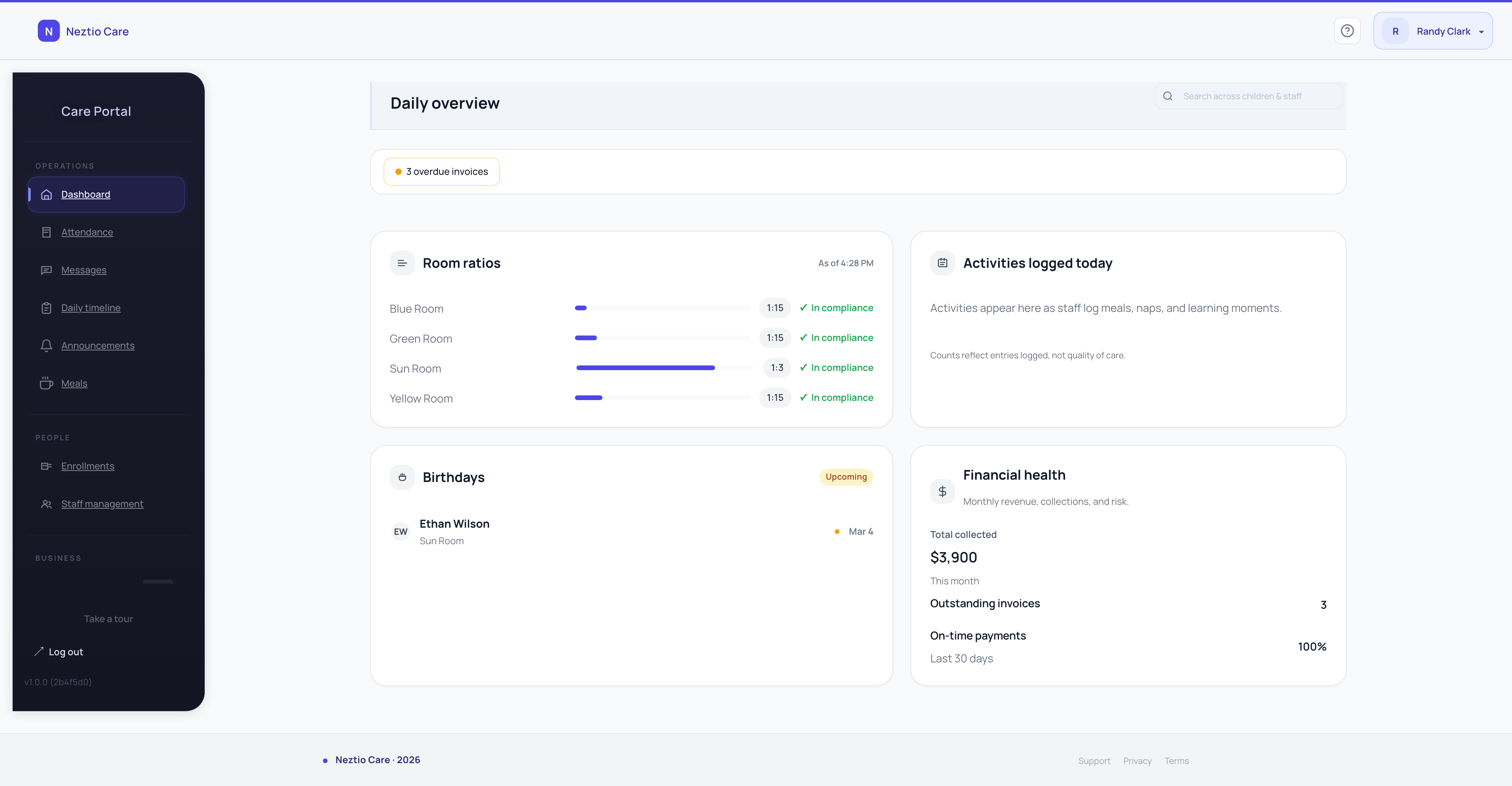
Requisitos de proporción de personal por niño en Colorado
Colorado establece proporciones específicas de personal por niño y tamaños máximos de grupo según las edades de los niños bajo cuidado. Estas proporciones deben mantenerse en todo momento, incluso durante el juego al aire libre, la hora de la siesta y las transiciones entre actividades.
| Grupo de Edad | Proporción | Tamaño Máximo de Grupo |
|---|---|---|
| 6 semanas - 18 meses | 1:5 | 10 |
| 12 - 36 meses | 1:5 | 10 |
| 24 - 36 meses | 1:7 | 14 |
| 2.5 - 3 años | 1:8 | 16 |
| 3 - 4 años | 1:10 | 20 |
| 4 - 5 años | 1:12 | 24 |
| 5 años y mayores | 1:15 | 30 |
| Edad mixta (2.5 - 6 años) | Proporción del niño más pequeño* | 20 |
*Para los grupos de edad mixta, si más del 20% del grupo está compuesto por niños más pequeños, se debe usar la proporción de personal correspondiente al niño más pequeño del grupo.
Estas proporciones provienen de 8 CCR 1402-1. Verifica siempre las proporciones actuales con el CDEC, ya que pueden actualizarse periódicamente. Para ayudarte a planificar el personal de tu aula, prueba nuestra calculadora de proporciones.
Requisitos de cualificación y capacitación del personal
Colorado tiene requisitos específicos de educación, experiencia y capacitación continua para cualquier persona que trabaje en una instalación de cuidado infantil con licencia.
Cualificaciones del director: Los directores deben cumplir con requisitos de educación y experiencia que varían según el tamaño y el tipo de programa. Los requisitos generalmente incluyen una combinación de educación formal en educación de la primera infancia o un campo relacionado, junto con experiencia supervisada en un entorno de cuidado infantil.
Capacitación previa al servicio: Los nuevos empleados deben completar la capacitación requerida antes de trabajar sin supervisión con los niños. Los temas de capacitación incluyen la seguridad del edificio y las instalaciones físicas, la preparación para desastres y la respuesta ante emergencias, y la prevención del síndrome del bebé sacudido y el trauma craneal por maltrato.
Horas de capacitación anual: Todo el personal de cuidado infantil debe completar un mínimo de 15 horas de capacitación al año. La capacitación debe incluir los temas obligatorios especificados por el CDEC, que abarcan áreas como el desarrollo infantil, la salud y la seguridad, y las técnicas de orientación.
RCP y Primeros Auxilios: Al menos un miembro del personal con certificación vigente en RCP pediátrica y Primeros Auxilios debe estar presente en todo momento mientras los niños estén bajo cuidado.
Capacitación en administración de medicamentos: Cualquier miembro del personal que administre medicamentos a los niños debe completar una capacitación específica en administración de medicamentos, según lo exigen las regulaciones de Colorado.
Requisitos de verificación de antecedentes
Colorado exige dos procesos separados de verificación de antecedentes para todas las personas involucradas en una operación de cuidado infantil. Ambos deben completarse antes de que una persona tenga acceso no supervisado a los niños.
Verificación de antecedentes penales: Una verificación del historial penal basada en huellas dactilares realizada a través del Colorado Bureau of Investigation (CBI) para los registros estatales y del Federal Bureau of Investigation (FBI) para los registros nacionales. El costo combinado es de $49.50 por persona.
Verificación de registros de abuso y negligencia infantil: Una revisión separada del registro estatal de abuso y negligencia infantil. Esta verificación cuesta $35 por persona y debe completarse además de la verificación de antecedentes penales.
Quién debe ser verificado: Todos los propietarios, directores, miembros del personal, sustitutos, voluntarios con acceso no supervisado y cualquier persona que tenga contacto regular con los niños durante el horario de operación.
Momento: Las verificaciones de antecedentes deben completarse y aprobarse antes de que una persona tenga acceso no supervisado a los niños. No hay período de gracia para este requisito.
Requisitos de instalaciones y espacio
Tu espacio físico debe cumplir con los estándares de Colorado antes de que se pueda emitir una licencia. Los requisitos clave incluyen:
Espacio interior: Un mínimo de 35 pies cuadrados de espacio interior utilizable para actividades por niño, según la capacidad autorizada. Para los programas que cuidan bebés, el requisito es mayor: 50 pies cuadrados por bebé. Esta medida excluye cocinas, baños, pasillos y áreas de almacenamiento.
Espacio exterior: Un mínimo de 75 pies cuadrados de espacio de juego exterior utilizable por niño. El área de juego exterior debe estar cercada con una barda de al menos 42 pulgadas de altura, con listones separados por no más de 4 pulgadas, o una barrera natural equivalente.
Sombra y refugio: El acceso a un área con sombra o techada debe estar disponible en todo momento durante el juego al aire libre para proteger a los niños del sol y el calor excesivos.
Equipo apropiado para la edad: Todos los muebles, cunas y equipos de juego deben ser seguros, estar en buen estado y ser apropiados para las edades de los niños inscritos. El equipo debe cumplir con los estándares vigentes de la Consumer Product Safety Commission (CPSC), la Comisión de Seguridad de Productos de Consumo.
Seguridad contra incendios: Se deben instalar y mantener detectores de humo y extintores en funcionamiento. Se requieren simulacros de incendio periódicos que deben documentarse. Debe exhibirse un plan de evacuación.
Salud y saneamiento: Las instalaciones deben cumplir con 6 CCR 1010-7, los estándares de salud y saneamiento de Colorado para instalaciones de cuidado infantil, administrados por el Colorado Department of Public Health and Environment (CDPHE), el Departamento de Salud Pública y Medio Ambiente de Colorado. Esto abarca el saneamiento, la preparación de alimentos, el cambio de pañales y la limpieza general.
Requisitos de salud y seguridad
Las reglas de licencia de Colorado incluyen requisitos detallados de salud y seguridad que los centros de cuidado infantil con licencia deben seguir todos los días.
Registros de vacunación: Se requieren registros de vacunación actualizados para todos los niños inscritos. Los registros deben estar archivados y disponibles para su revisión durante las inspecciones.
Administración de medicamentos: Los medicamentos solo pueden administrarse con autorización escrita de los padres. Toda administración de medicamentos debe documentarse, incluyendo el nombre del medicamento, la dosis, la hora y el miembro del personal que lo administró.
Prácticas de sueño seguro: Para los bebés, Colorado exige el cumplimiento de las pautas de sueño seguro. Los bebés deben colocarse boca arriba para dormir en cunas aprobadas, sin ropa de cama blanda, almohadas ni juguetes en el área de sueño.
Seguridad del área exterior: Todas las áreas de juego exterior deben inspeccionarse antes de cada uso y mantenerse libres de materiales peligrosos, escombros, estructuras deterioradas y equipo roto. El personal debe identificar y hacer inaccesibles las áreas de alto riesgo.
Procedimientos de emergencia: Los procedimientos escritos de emergencia y preparación para desastres deben exhibirse y practicarse periódicamente. El personal debe estar capacitado en los procedimientos para incendios, clima severo, emergencias médicas y otras crisis.
Lavado de manos: Tanto el personal como los niños deben seguir los procedimientos adecuados de lavado de manos, incluyendo antes y después de las comidas, después de los cambios de pañal, después de usar el baño y después del juego al aire libre.
Requisitos de mantenimiento de registros
Las licencias de Colorado exigen que los centros de cuidado infantil mantengan registros detallados que estén disponibles para su revisión durante las inspecciones. Mantener estos registros organizados y actualizados es esencial para mantenerse en cumplimiento.
Registros de asistencia: Registros diarios de entrada y salida de cada niño, con la hora anotada para cada registro. Los registros deben conservarse durante el período especificado por el CDEC.
Registros de inscripción del niño: Información completa de inscripción de cada niño, incluyendo contactos de emergencia, personas autorizadas para recogerlo, información médica, alergias y registros de vacunación.
Registros del personal: Expedientes de personal de cada empleado, incluyendo los resultados de la verificación de antecedentes, la documentación de capacitación, las certificaciones y el historial laboral.
Informes de incidentes: Documentación escrita de cualquier lesión, accidente o incidente inusual que ocurra en la instalación, incluyendo detalles de lo que sucedió y las medidas que se tomaron.
Registros de simulacros de incendio y de emergencia: Documentación de todos los simulacros realizados, incluyendo la fecha, la hora, el número de niños y personal presentes, y el tiempo de evacuación.
Consejo: Un software de gestión de cuidado infantil como Neztio puede ayudarte a mantener registros digitales de asistencia, documentación del personal, facturación y comunicación con los padres, lo que facilita mucho mantenerse organizado y listo para una inspección en todo momento.
Colorado Shines: Sistema de Calificación y Mejora de la Calidad
Colorado Shines es el Sistema de Calificación y Mejora de la Calidad (QRIS) del estado para los programas de aprendizaje temprano con licencia que atienden a niños desde el nacimiento hasta los cinco años. Aunque participar en Colorado Shines más allá del nivel básico es voluntario, ofrece un marco para que los programas demuestren y mejoren su calidad.
Niveles de calificación
Nivel 1: Cumple con los requisitos básicos de licencia de salud y seguridad. Todos los programas de cuidado infantil con licencia reciben automáticamente una calificación de Nivel 1.
Nivel 2: El programa ha completado actividades preparatorias que lo posicionan para avanzar hacia las calificaciones de mayor calidad de los Niveles 3 al 5.
Niveles 3, 4 y 5: Indican programación de alta calidad. Un evaluador de calificaciones de calidad (Quality Ratings Assessor) evalúa los programas en estos niveles en cinco categorías: cualificaciones del personal, alianzas con las familias, prácticas administrativas, entorno de aprendizaje y salud infantil.
Beneficios de las calificaciones más altas
Lograr calificaciones más altas en Colorado Shines puede ayudar a que tu programa se destaque ante las familias que buscan cuidado de calidad. Los programas calificados aparecen en el directorio de proveedores de Colorado Shines, que las familias usan al investigar opciones de cuidado infantil. Los programas con calificaciones más altas también pueden ser elegibles para incentivos y subvenciones de mejora de la calidad a través del CDEC.
Inspecciones y cumplimiento continuo
Una vez con licencia, tu centro de cuidado infantil estará sujeto a un monitoreo continuo por parte de los especialistas en licencias del CDEC.
Inspecciones sin previo aviso: El CDEC realiza inspecciones sin previo aviso de las operaciones de cuidado infantil con licencia durante el horario normal de operación. Las inspecciones pueden abarcar cualquier aspecto de tu operación y ocurrir en cualquier momento.
Acción correctiva: Si se encuentran deficiencias durante una inspección, se le dará a la operación un plazo específico para corregir los problemas. El plazo depende de la gravedad de la deficiencia.
Acciones adversas: Las violaciones repetidas o graves pueden resultar en un período de prueba, la suspensión de la licencia, la revocación de la licencia o multas. Las violaciones que representan una amenaza inmediata para los niños pueden resultar en una suspensión de emergencia.
Renovación de la licencia: Las licencias de cuidado infantil de Colorado deben renovarse periódicamente. El proceso de renovación incluye una revisión del historial de cumplimiento, verificaciones de antecedentes actualizadas si es necesario, y una inspección de la instalación.
Recursos
Estos son los recursos clave para los proveedores de cuidado infantil de Colorado:
Colorado Department of Early Childhood (CDEC): La agencia estatal oficial para las licencias de cuidado infantil. Visita cdec.colorado.gov para obtener formularios de solicitud, reglas y regulaciones, e información de contacto de los especialistas en licencias.
Provider Hub: El portal en línea para enviar solicitudes de licencia, gestionar el perfil de tu instalación y acceder a los recursos de licencias.
Colorado Shines: El programa QRIS del estado. Visita coloradoshines.com para conocer las calificaciones de calidad, encontrar oportunidades de capacitación y acceder a recursos para mejorar la calidad de tu programa.
Colorado Department of Public Health and Environment (CDPHE): Responsable de los estándares de salud y saneamiento para las instalaciones de cuidado infantil bajo 6 CCR 1010-7. Contacta al CDPHE para preguntas sobre inspecciones de salud y requisitos de saneamiento.
Mantén el cumplimiento con las herramientas adecuadas
Cumplir con los requisitos de licencia de Colorado es solo el comienzo. Mantenerse en cumplimiento día tras día requiere registros organizados, documentación consistente y comunicación clara con las familias y el personal. La mejor manera de prepararse para una inspección sin previo aviso del CDEC es operar cada día como si una pudiera ocurrir.
Descubre cómo Neztio ayuda a los centros de cuidado infantil de Colorado a gestionar la asistencia, la facturación, la gestión del personal y la comunicación con los padres para que siempre estés listo para una inspección.
Relacionado
Lista de verificación de licencias de cuidado infantil: lo que todo centro nuevo necesita
Relacionado
Cómo abrir una guardería: una guía paso a paso
Glossary terms in this article
Licencia
Permiso emitido por el estado para operar una instalación de cuidado infantil, que requiere el cumplimiento de estándares de salud, seguridad y personal.
Proporción de personal por niño
El número requerido de personal cualificado por grupo de niños, establecido por las regulaciones estatales de licencia según la edad.
Verificación de antecedentes
Revisiones del historial penal y de registros exigidas para todos los trabajadores de cuidado infantil bajo la Ley CCDBG de 2014.
Tamaño del grupo
El número máximo de niños permitido en una sola aula o grupo de cuidado, determinado por las reglas estatales de licencia.
Acreditación
Certificación voluntaria de calidad de organizaciones como NAEYC o NAC que reconoce a los programas que superan los estándares mínimos de licencia.