Requisitos de Licencia para Cuidado Infantil en Hawaii: Guía Completa
Hawaii tiene una estructura única de licencias de cuidado infantil que separa los centros de cuidado de bebés y niños pequeños de los centros de cuidado infantil grupal que atienden a niños mayores. Ya sea que estés abriendo un nuevo centro en Oahu, Maui o la Isla Grande, o registrando un hogar de cuidado infantil familiar, esta guía cubre los requisitos clave que necesitas conocer.
Nota: Los requisitos de licencia cambian con frecuencia. Esta guía refleja las regulaciones vigentes a principios de 2026 según el Título 17 de las Reglas Administrativas de Hawaii (Hawaii Administrative Rules). Siempre verifica los requisitos actuales directamente con el Departamento de Servicios Humanos de Hawaii (Hawaii Department of Human Services, DHS) antes de tomar decisiones de cumplimiento.
¿Quién regula el cuidado infantil en Hawaii?
En Hawaii, la licencia de cuidado infantil es administrada por el Departamento de Servicios Humanos (Department of Human Services, DHS), a través de su División de Servicios de Beneficios, Empleo y Apoyo (Benefit, Employment and Support Services Division, BESSD). La Unidad de Licencias de Cuidado Infantil (Child Care Licensing Unit) dentro de la BESSD es responsable de establecer estándares, procesar solicitudes, realizar inspecciones y hacer cumplir el cumplimiento normativo de todas las operaciones de cuidado infantil reguladas en el estado.
Hawaii exige una licencia o registro para cualquier persona que brinde cuidado a más de dos niños que no sean parientes por sangre, matrimonio o adopción. El tipo de licencia o registro que necesitas depende de las edades de los niños atendidos, la cantidad de niños y el entorno:
Centro de Cuidado Infantil Grupal (Group Child Care Center, GCC): Una instalación que brinda cuidado a niños de dos años (24 meses) en adelante. Los centros de cuidado infantil grupal están regulados bajo el Capítulo 17-892.1 de las Reglas Administrativas de Hawaii. Este es el tipo de licencia más común para negocios comerciales de cuidado infantil que atienden a niños en edad preescolar y escolar.
Hogar de Cuidado Infantil Grupal (Group Child Care Home, GCH): Una operación con base en el hogar con licencia para brindar cuidado a entre siete y doce niños de dos años en adelante. Los hogares de cuidado infantil grupal también están regulados bajo el Capítulo 17-892.1, pero tienen requisitos específicos adaptados a un entorno hogareño.
Centro de Cuidado Infantil para Bebés y Niños Pequeños (Infant and Toddler Child Care Center, IT): Una instalación con base en un centro con licencia para brindar cuidado a niños desde las seis semanas hasta los treinta y seis meses de edad. Estos centros están regulados bajo un conjunto separado de reglas en el Capítulo 17-895. Debido a las necesidades especializadas de los niños muy pequeños, las proporciones de personal y los requisitos son más estrictos.
Instalación de Cuidado Infantil Antes y Después de la Escuela (Before and After School Child Care Facility, BAS): Una instalación que brinda cuidado a niños en edad escolar antes y después del horario escolar. Estas están reguladas bajo el Capítulo 17-896.
Hogar de Cuidado Infantil Familiar Registrado (Registered Family Child Care Home, FCCH): Un hogar privado que brinda cuidado a entre tres y seis niños no emparentados en cualquier momento durante cualquier parte de un período de veinticuatro horas. Los hogares de cuidado infantil familiar están registrados (no tienen licencia) bajo el Capítulo 17-891.1 y tienen su propio conjunto de requisitos.
Importante
El sistema de licencias de cuidado infantil de Hawaii utiliza capítulos regulatorios separados para diferentes tipos de instalaciones. Asegúrate de solicitar bajo el capítulo correcto para las edades que planeas atender. Los requisitos de licencia y las tarifas pueden cambiar, así que siempre verifica los requisitos actuales directamente con el DHS.
Cómo solicitar una licencia de cuidado infantil en Hawaii
El proceso de solicitud varía ligeramente según si estás solicitando una licencia de centro o un registro de hogar de cuidado infantil familiar. Este es el proceso general para las licencias con base en un centro (GCC, IT y BAS):
- 1
Contacta a la Unidad de Licencias de Cuidado Infantil del DHS
Comienza por contactar a la Unidad de Licencias de Cuidado Infantil dentro de la División de Servicios de Beneficios, Empleo y Apoyo. El personal puede orientarte sobre qué tipo de licencia aplica a tu situación y qué documentación necesitarás reunir.
- 2
Envía tu solicitud y los documentos de respaldo
Completa los formularios de solicitud requeridos, disponibles en el sitio web del DHS. Deberás proporcionar información sobre tu instalación, plan de personal, plano y estructura organizativa. Los documentos de respaldo incluyen evidencia de aprobación de zonificación, seguro de responsabilidad civil y documentación de salud y seguridad.
- 3
Completa las verificaciones de antecedentes
Todos los solicitantes deben completar una verificación de antecedentes de abuso y negligencia infantil y una verificación de antecedentes penales utilizando el formulario DHS-948 (Autorización para Verificación de Antecedentes y para Divulgar Información). Las verificaciones de antecedentes deben arrojar resultados satisfactorios antes de que el proceso de licencia pueda continuar.
- 4
Aprueba la inspección de licencia
Una vez recibida tu solicitud completa y resultados satisfactorios de la verificación de antecedentes, se asignará un Trabajador de Licencias de Cuidado Infantil (Child Care Licensing Worker) para realizar una inspección en el sitio de toda tu instalación. El trabajador revisará el cumplimiento de todas las reglas de licencia aplicables, incluyendo los requisitos de espacio, seguridad, equipo y documentación.
- 5
Recibe tu licencia
Una vez que se determine que estás en pleno cumplimiento de todas las reglas de licencia, el DHS emitirá tu licencia de cuidado infantil. La licencia debe estar exhibida en un lugar visible para los padres en tu instalación.
Para los hogares de cuidado infantil familiar registrados (FCCH), el proceso es similar pero utiliza formularios diferentes (DHS 982 y DHS 983). Los proveedores también deben presentar informes médicos y pruebas de tuberculosis (TB) para todos los miembros del hogar.
Requisitos de proporción de personal por niño en Hawaii
Hawaii establece proporciones específicas de personal por niño según las edades de los niños bajo cuidado. Las proporciones difieren entre los centros de cuidado infantil grupal (niños de 2 años en adelante) y los centros de bebés y niños pequeños (niños de 6 semanas a 36 meses). Estas proporciones deben mantenerse en todo momento durante el día operativo.
Centros de Cuidado Infantil Grupal (edades de 2 años en adelante)
Bajo la Sección 17-892.1-18 de las HAR, los niños en los centros de cuidado infantil grupal se agrupan en unidades por edad. Se requiere un maestro para la primera unidad, con maestros asistentes y auxiliares adicionales requeridos a medida que aumenta la inscripción.
| Grupo de Edad | Proporción | Tamaño de la Unidad |
|---|---|---|
| 2 years | 1:8 | 8 |
| 3 years | 1:12 | 12 |
| 4 years | 1:16 | 16 |
| 5 years and older | 1:20 | 20 |
Centros de Bebés y Niños Pequeños (6 semanas a 36 meses)
Los centros de bebés y niños pequeños operan bajo proporciones más estrictas definidas en el Capítulo 17-895. Las proporciones varían según la edad y el tamaño del grupo. En grupos de edades mixtas, se aplica la proporción correspondiente al niño más pequeño del grupo.
| Grupo de Edad | Proporción | Tamaño Máximo del Grupo |
|---|---|---|
| 6 weeks - 12 months | 1:3 to 1:4 | 8 |
| 12-18 months | 1:4 | 8 |
| 18-36 months | 1:5 to 1:6 | 12 |
Hogares de Cuidado Infantil Familiar
Los hogares de cuidado infantil familiar registrados pueden cuidar a un máximo de seis niños no emparentados a la vez. De esos seis, no más de dos pueden ser menores de 18 meses. Si hay ayuda adicional presente, se pueden cuidar hasta cuatro niños menores de 18 meses a la vez.
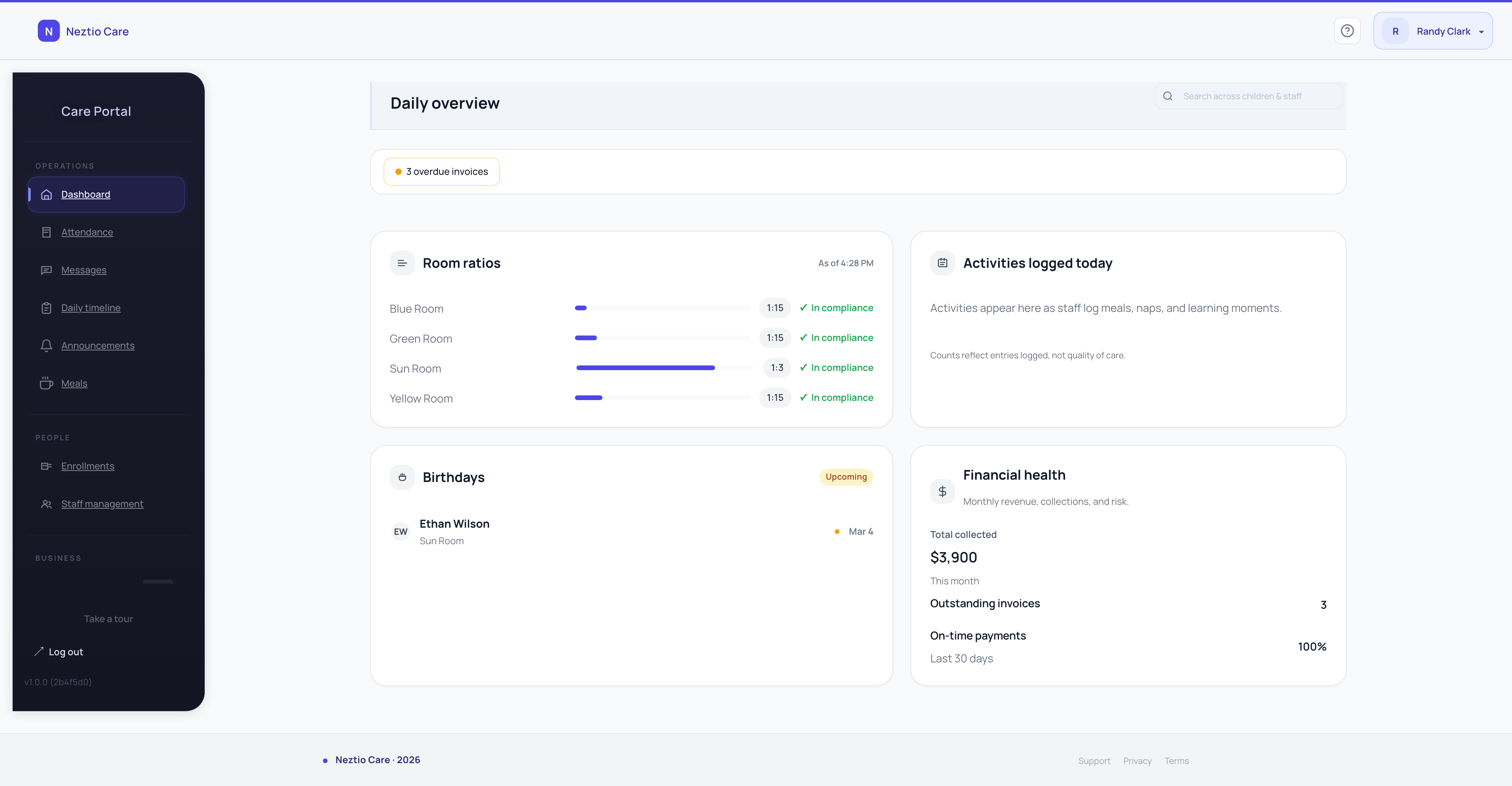
Las proporciones exactas dependen del tamaño del grupo y la combinación de edades. Siempre verifica las proporciones actuales con el DHS, ya que pueden actualizarse. Para ayudarte a planificar el personal de tu salón, prueba nuestra calculadora de proporciones.
Requisitos de calificación del personal
Hawaii tiene requisitos específicos de educación y experiencia para directores, maestros y cuidadores que trabajan en instalaciones de cuidado infantil con licencia.
Calificaciones del director: Los directores de centros de cuidado infantil con licencia deben tener al menos 18 años y contar con un título universitario (bachelor's degree). Si bien el título no necesita ser específicamente en desarrollo infantil, los directores deben haber completado un mínimo de 30 horas semestrales de cursos en desarrollo infantil o un campo relacionado. Los directores de centros preescolares también deben demostrar al menos dos años de experiencia trabajando con niños.
Edad mínima del cuidador: Todos los cuidadores y el personal de una instalación de cuidado infantil con licencia deben tener al menos 18 años.
Registro de Primera Infancia: El DHS de Hawaii exige que todos los empleados y futuros empleados de los Centros de Cuidado Infantil Grupal, Hogares de Cuidado Infantil Grupal y Centros de Cuidado Infantil para Bebés y Niños Pequeños con licencia se registren en el Registro de Primera Infancia (Early Childhood Registry) del DHS, administrado por PATCH (People Attentive to Children). El registro ayuda a llevar un seguimiento de las calificaciones y la finalización de la capacitación.
Verificaciones de antecedentes: Todo el personal debe aprobar una verificación de antecedentes penales y una verificación del registro de abuso y negligencia infantil a través del DHS (formulario DHS-948). Las verificaciones de antecedentes deben arrojar resultados satisfactorios antes de que una persona tenga contacto directo con los niños.
RCP y Primeros Auxilios: Al menos un miembro del personal con certificación vigente en RCP (CPR) y Primeros Auxilios debe estar presente en todo momento mientras los niños están bajo cuidado.
Capacitación en sueño seguro: Todos los empleados de los Hogares de Cuidado Infantil Familiar registrados, Centros de Bebés y Niños Pequeños, y Hogares de Cuidado Infantil Grupal con licencia para cuidar a niños menores de un año deben completar la capacitación en sueño seguro aprobada por el DHS al momento de la contratación y nuevamente cada año.
Certificados de salud: Todo el personal debe proporcionar evidencia de un examen físico satisfactorio y una prueba de tuberculosis (TB) antes de trabajar con niños.
Requisitos de las instalaciones
Tu espacio físico debe cumplir con los estándares de Hawaii antes de que se pueda emitir una licencia. Los requisitos clave de las instalaciones incluyen:
Espacio interior: Un mínimo de 35 pies cuadrados de área de instrucción o juego libre de obstáculos por niño en los centros de cuidado infantil grupal y hogares de cuidado infantil grupal. En las habitaciones utilizadas para dormir, se requiere un mínimo de 50 pies cuadrados por niño.
Espacio exterior: Para los centros de bebés y niños pequeños, se requiere un mínimo de 75 pies cuadrados de espacio de juego exterior por niño. Las áreas exteriores deben estar cercadas de forma segura y libres de peligros, con equipo apropiado para la edad.
Equipo apropiado para la edad: Todos los muebles, cunas y equipo de juego deben ser seguros, estar en buen estado y ser apropiados para las edades de los niños inscritos. Las cunas deben cumplir con los estándares de seguridad vigentes.
Seguridad contra incendios: Se deben instalar y mantener detectores de humo y extintores en funcionamiento. Los simulacros de incendio deben realizarse y documentarse con regularidad. Tu instalación debe tener un plan de evacuación exhibido y cumplir con los códigos de incendio locales.
Cumplimiento de zonificación y construcción: Tu instalación debe cumplir con los requisitos de zonificación local y los códigos de construcción. Es posible que debas obtener una aprobación de zonificación o un permiso de uso de tu condado antes de solicitar una licencia de cuidado infantil.
Salud y saneamiento: La instalación debe cumplir con los estándares de salud y saneamiento, incluyendo áreas apropiadas de preparación de alimentos, estaciones para cambio de pañales, instalaciones para lavado de manos y limpieza general. Tu instalación será inspeccionada respecto a estos estándares durante la visita de licencia.
Requisitos de verificación de antecedentes
Hawaii exige verificaciones de antecedentes exhaustivas para cualquier persona involucrada en brindar cuidado infantil. Estas verificaciones deben completarse antes de que una persona tenga acceso sin supervisión a los niños.
Quién debe ser verificado: Todos los directores, maestros, auxiliares, sustitutos, voluntarios con acceso sin supervisión y cualquier persona presente regularmente en la instalación durante el horario de operación. En los hogares de cuidado infantil familiar, todos los miembros del hogar también deben ser verificados.
Verificación de antecedentes penales: Se requiere una verificación de antecedentes penales para todas las personas cubiertas. La verificación se autoriza a través del formulario DHS-948.
Registro de abuso y negligencia infantil: El DHS verifica el registro de abuso y negligencia infantil y el registro de perpetradores adultos para todas las personas cubiertas.
Historial laboral: Los solicitantes deben completar un formulario de historial laboral (DHS 959) y un formulario de autocertificación de empleo (DHS 959A) como parte del proceso de verificación de antecedentes.
Momento: Las verificaciones de antecedentes deben arrojar resultados satisfactorios antes de que el proceso de licencia pueda continuar y antes de que una persona tenga contacto directo con los niños bajo cuidado.
Requisitos de salud y seguridad
Las reglas de licencia de Hawaii incluyen requisitos detallados de salud y seguridad que las operaciones con licencia deben seguir todos los días.
Registros de vacunación: Se requieren registros de vacunación actualizados para todos los niños inscritos. Los registros deben estar archivados y disponibles para revisión durante las inspecciones.
Informes médicos: El personal y los miembros del hogar (para el cuidado en el hogar) deben proporcionar resultados satisfactorios de examen físico y pruebas de tuberculosis (TB). Para los niños inscritos, se requiere documentación médica comparable, incluyendo registros de vacunación y resultados de exámenes físicos.
Prácticas de sueño seguro: Para los bebés, Hawaii exige el cumplimiento de las pautas de sueño seguro. El personal de los centros de bebés y niños pequeños y de los hogares de cuidado infantil familiar debe completar la capacitación en sueño seguro aprobada por el DHS al momento de la contratación y anualmente después. En ningún momento puede haber más de dos niños menores de tres meses en un mismo grupo.
Administración de medicamentos: Los medicamentos solo pueden administrarse con autorización escrita de los padres. Toda administración de medicamentos debe documentarse, incluyendo el nombre del medicamento, la dosis, la hora en que se administró y el miembro del personal que lo administró.
Lavado de manos: Tanto el personal como los niños deben seguir los procedimientos adecuados de lavado de manos, incluyendo antes y después de las comidas, después de los cambios de pañal, después de usar el baño y después del juego al aire libre.
Procedimientos de emergencia: Los procedimientos de emergencia por escrito deben estar exhibidos y practicarse con regularidad. La geografía insular de Hawaii implica que los proveedores también deben contar con planes para desastres naturales, incluyendo tsunamis, huracanes y eventos volcánicos, además de los procedimientos estándar de emergencia por incendio y médicos.
Requisitos de mantenimiento de registros
La licencia de Hawaii exige que las operaciones de cuidado infantil mantengan registros detallados disponibles para revisión durante las inspecciones. Mantener estos registros organizados y actualizados es esencial para mantenerse en cumplimiento.
Registros de asistencia: Registros diarios de entrada y salida para cada niño, con la hora registrada en cada entrada. Estos registros deben conservarse y estar disponibles para inspección.
Registros de inscripción de niños: Información completa de inscripción para cada niño, incluyendo contactos de emergencia, personas autorizadas para recogerlo, información médica, alergias y registros de vacunación.
Registros del personal: Expedientes de personal para cada empleado, incluyendo resultados de verificación de antecedentes, inscripción en el Registro de Primera Infancia, documentación de capacitación, certificados de salud e historial laboral.
Informes de incidentes: Documentación escrita de cualquier lesión, accidente o incidente inusual que ocurra en la instalación, incluyendo detalles de lo sucedido y las acciones tomadas.
Registros de simulacros de incendio: Documentación de cada simulacro de incendio y simulacro de emergencia realizado, incluyendo la fecha, la hora y el número de niños y personal presentes.
Consejo: Un software de gestión de cuidado infantil como Neztio puede ayudarte a mantener registros digitales de asistencia, documentación del personal, facturación y comunicación con los padres, lo que facilita mucho mantenerte organizado y listo para inspecciones en todo momento.
PATCH y el Sistema de Calificación y Mejora de Calidad (Quality Rating and Improvement System, QRIS)
PATCH (People Attentive to Children) es una organización clave en el ecosistema de cuidado infantil de Hawaii. PATCH funciona como la agencia estatal de recursos y referencias de cuidado infantil y desempeña un papel central en el desarrollo de la fuerza laboral, la capacitación y la mejora de la calidad para los proveedores de cuidado infantil en todas las islas.
Registro de Primera Infancia: El DHS exige que todos los empleados de los centros con licencia se registren en el Registro de Primera Infancia, administrado por PATCH. El registro lleva un seguimiento de las calificaciones, la educación y la finalización de la capacitación de cada trabajador.
Piloto del QRIS: Hawaii lanzó un piloto del Sistema de Calificación y Mejora de Calidad (Quality Rating and Improvement System, QRIS) en 2012 para hogares de cuidado infantil familiar, centros de cuidado infantil grupal y centros de bebés y niños pequeños con licencia del DHS. El QRIS es financiado por el DHS y administrado por el University of Hawaii Center on the Family, en asociación con PATCH, Honolulu Community College y la Hawaii Association for the Education of Young Children.
Subvenciones de mejora de calidad: Los programas con base en centros que participan en el QRIS pueden ser elegibles para subvenciones de mejora de calidad que respalden estándares más altos de cuidado. Estas subvenciones han sido financiadas a través de socios privados, incluyendo la Samuel N. and Mary Castle Foundation.
Capacitación y apoyo: PATCH ofrece recursos de capacitación, oportunidades de desarrollo profesional y asistencia técnica para proveedores de cuidado infantil en todo Hawaii. Contacta a PATCH para obtener información sobre la capacitación disponible y cómo cumplir con tus requisitos de educación continua.
Inspecciones y cumplimiento
Una vez con licencia, tu operación estará sujeta a monitoreo continuo por parte de la Unidad de Licencias de Cuidado Infantil del DHS.
Inspecciones de licencia: El DHS realiza inspecciones de las operaciones de cuidado infantil con licencia para verificar el cumplimiento continuo de todas las reglas aplicables. Las inspecciones pueden ser sin previo aviso y pueden cubrir cualquier aspecto de tu operación, incluyendo las proporciones de personal, la seguridad, el saneamiento, la documentación y el mantenimiento de registros.
Acción correctiva: Si se encuentran deficiencias durante una inspección, se otorgará a la operación un plazo específico para corregir los problemas. El plazo depende de la gravedad de la deficiencia.
Acciones adversas: Las violaciones repetidas o graves pueden resultar en acciones adversas, incluyendo periodo de prueba, suspensión de la licencia o revocación de la licencia. Las violaciones que representen una amenaza inmediata para la seguridad de los niños pueden resultar en acción de emergencia.
Renovación de licencia: Las licencias de cuidado infantil en Hawaii deben renovarse periódicamente. El proceso de renovación incluye una revisión de tu historial de cumplimiento, verificaciones de antecedentes actualizadas y una inspección de la instalación.
Recursos
Estos son recursos clave para los proveedores de cuidado infantil de Hawaii:
Hawaii DHS Child Care Licensing: El sitio web oficial de la agencia estatal para la licencia de cuidado infantil, incluyendo formularios de solicitud, reglas de licencia e información de contacto de la Unidad de Licencias de Cuidado Infantil (humanservices.hawaii.gov).
PATCH (People Attentive to Children): La agencia de recursos y referencias de cuidado infantil de Hawaii. PATCH ofrece capacitación, asistencia técnica, servicios de referencia y administra el Registro de Primera Infancia del DHS (patchhawaii.org).
Hawaii Administrative Rules Title 17: El texto completo de las regulaciones de licencia de cuidado infantil de Hawaii, organizado por tipo de instalación: Capítulo 891.1 (Hogares de Cuidado Infantil Familiar), Capítulo 892.1 (Centros y Hogares de Cuidado Infantil Grupal), Capítulo 895 (Centros de Bebés y Niños Pequeños) y Capítulo 896 (Instalaciones Antes y Después de la Escuela).
Hawaii Association for the Education of Young Children (HAEYC): El afiliado estatal de NAEYC, que ofrece desarrollo profesional y promoción para educadores de primera infancia en Hawaii.
Mantente en cumplimiento con las herramientas adecuadas
Cumplir con los requisitos de licencia de Hawaii es solo el comienzo. Mantenerse en cumplimiento día tras día requiere registros organizados, documentación consistente y comunicación clara con las familias y el personal. La mejor manera de prepararte para una inspección es operar todos los días como si una pudiera ocurrir.
Descubre cómo Neztio ayuda a los centros de cuidado infantil de Hawaii a gestionar la asistencia, la facturación, la administración del personal y la comunicación con los padres para que siempre estés listo para una inspección.
Relacionado
Lista de Verificación de Licencia de Cuidado Infantil: Lo Que Todo Centro Nuevo Necesita
Relacionado
Cómo Iniciar una Guardería: Guía Paso a Paso
Glossary terms in this article
Licencia
Permiso emitido por el estado para operar una instalación de cuidado infantil, que requiere el cumplimiento de estándares de salud, seguridad y personal.
Proporción de Personal por Niño
El número requerido de personal calificado por grupo de niños, establecido por las regulaciones de licencia estatales según la edad.
Verificación de Antecedentes
Revisiones de antecedentes penales y de registros requeridas para todos los trabajadores de cuidado infantil bajo la Ley CCDBG de 2014.
Tamaño del Grupo
El número máximo de niños permitido en un solo salón o grupo de cuidado, determinado por las reglas de licencia estatales.
Acreditación
Certificación voluntaria de calidad otorgada por organizaciones como NAEYC o NAC que reconoce programas que superan los estándares mínimos de licencia.