Requisitos de licencia de cuidado infantil en Kentucky: Guía completa
Kentucky regula el cuidado infantil a través del Cabinet for Health and Family Services (CHFS), con requisitos específicos para las proporciones de personal, la capacitación, los estándares de las instalaciones y las verificaciones de antecedentes. Ya sea que estés abriendo un centro nuevo o administrando un programa existente, esta guía cubre lo que necesitas saber sobre la licencia de cuidado infantil en Kentucky.
Nota: Los requisitos de licencia cambian con frecuencia. Esta guía refleja las regulaciones vigentes a principios de 2026 con base en el 922 KAR Chapter 2. Siempre verifica los requisitos actuales directamente con la Kentucky Division of Regulated Child Care (División de Cuidado Infantil Regulado de Kentucky) antes de tomar decisiones de cumplimiento.
Descripción general: ¿quién regula el cuidado infantil en Kentucky?
En Kentucky, la licencia de cuidado infantil es administrada por el Cabinet for Health and Family Services (CHFS) a través de la Division of Regulated Child Care (División de Cuidado Infantil Regulado), que forma parte de la Office of Inspector General (Oficina del Inspector General). Esta división es responsable de otorgar licencias a los centros de cuidado infantil, certificar los hogares de cuidado infantil familiar, realizar inspecciones y hacer cumplir las regulaciones estatales que se encuentran en el Título 922, Capítulo 2 de las Kentucky Administrative Regulations (922 KAR).
Kentucky exige regulación para cualquier operación que brinde cuidado a niños fuera de su propio hogar. El tipo de licencia o certificación que necesitas depende del tamaño y el entorno de tu operación:
Licensed Type I Child Care Center: Una instalación no residencial que brinda cuidado a cuatro o más niños, o una instalación residencial que cuida a 13 o más niños. Esta es la licencia estándar para centros de cuidado infantil comerciales y se rige por el 922 KAR 2:090.
Licensed Type II Child Care Center: Una instalación que brinda cuidado a entre siete y 12 niños, incluidos los niños relacionados con el titular de la licencia. Este tipo de licencia está diseñado para operaciones más pequeñas y tiene requisitos algo más simplificados en comparación con el Type I.
Certified Family Child Care Home: Una operación con base en el hogar que brinda cuidado a hasta 10 niños, incluidos no más de seis niños sin parentesco y cuatro hijos propios del cuidador. La certificación se rige por el 922 KAR 2:100.
Cómo solicitar una licencia de cuidado infantil en Kentucky
El proceso de licencia de cuidado infantil en Kentucky implica varios pasos. La tarifa inicial de licencia es de $50, con una tarifa de renovación anual de $25. Para los hogares de cuidado infantil familiar certificados, la tarifa inicial de certificación es de $10, con una tarifa de renovación bienal de $10. Prevé que el proceso tome de varias semanas a unos meses.
- 1
Comunícate con la Division of Regulated Child Care
Comienza por comunicarte con la CHFS Division of Regulated Child Care para solicitar un paquete de solicitud y conocer los requisitos específicos de tu área. Un representante de licencias puede guiarte a través del proceso y responder tus preguntas sobre las instalaciones que planeas.
- 2
Completa la capacitación previa al servicio requerida
Todos los directores y el personal propuestos deben completar 15 horas de capacitación en salud y seguridad aprobada por el estado antes de abrir. Esta capacitación debe incluir primeros auxilios pediátricos, RCP y prácticas de salud preventiva.
- 3
Envía las verificaciones de antecedentes a través de KARES
Todos los miembros del personal deben enviar sus verificaciones de antecedentes a través de la plataforma KARES (Kentucky Applicant Registry and Employment Screening) en el Kentucky Online Gateway. Kentucky también participa en el National Background Check Program.
- 4
Envía tu solicitud y la documentación requerida
Envía una solicitud completa junto con la tarifa correspondiente, la documentación de las calificaciones del personal, los resultados de las verificaciones de antecedentes, el plano de tus instalaciones, la aprobación de la inspección de incendios y cualquier otro documento que requiera tu representante de licencias.
- 5
Aprueba la inspección inicial en el sitio
Un inspector de licencias de la Division of Regulated Child Care realizará una inspección en el sitio para verificar que tus instalaciones cumplan con todos los requisitos del 922 KAR 2:120 (estándares de salud y seguridad). Cualquier deficiencia debe corregirse antes de que se emita tu licencia.
Requisitos de proporción de personal por niño en Kentucky
Kentucky establece proporciones específicas de personal por niño según las edades de los niños bajo cuidado. Estas proporciones están definidas en el 922 KAR 2:120 y deben mantenerse en todo momento durante las horas de operación. Los tamaños máximos de grupo aplican a los centros con licencia Type I.
| Grupo de edad | Proporción |
|---|---|
| Bebés (del nacimiento a los 12 meses) | 1:5 |
| Niños pequeños (12 a 24 meses) | 1:6 |
| Niños pequeños (24 a 36 meses) | 1:10 |
| Preescolar (3 a 4 años) | 1:12 |
| Preescolar (4 a 5 años) | 1:14 |
| Edad escolar (5 a 7 años) | 1:15 |
| Edad escolar (7 años en adelante) | 1:25 (before/after school) or 1:20 (full day) |
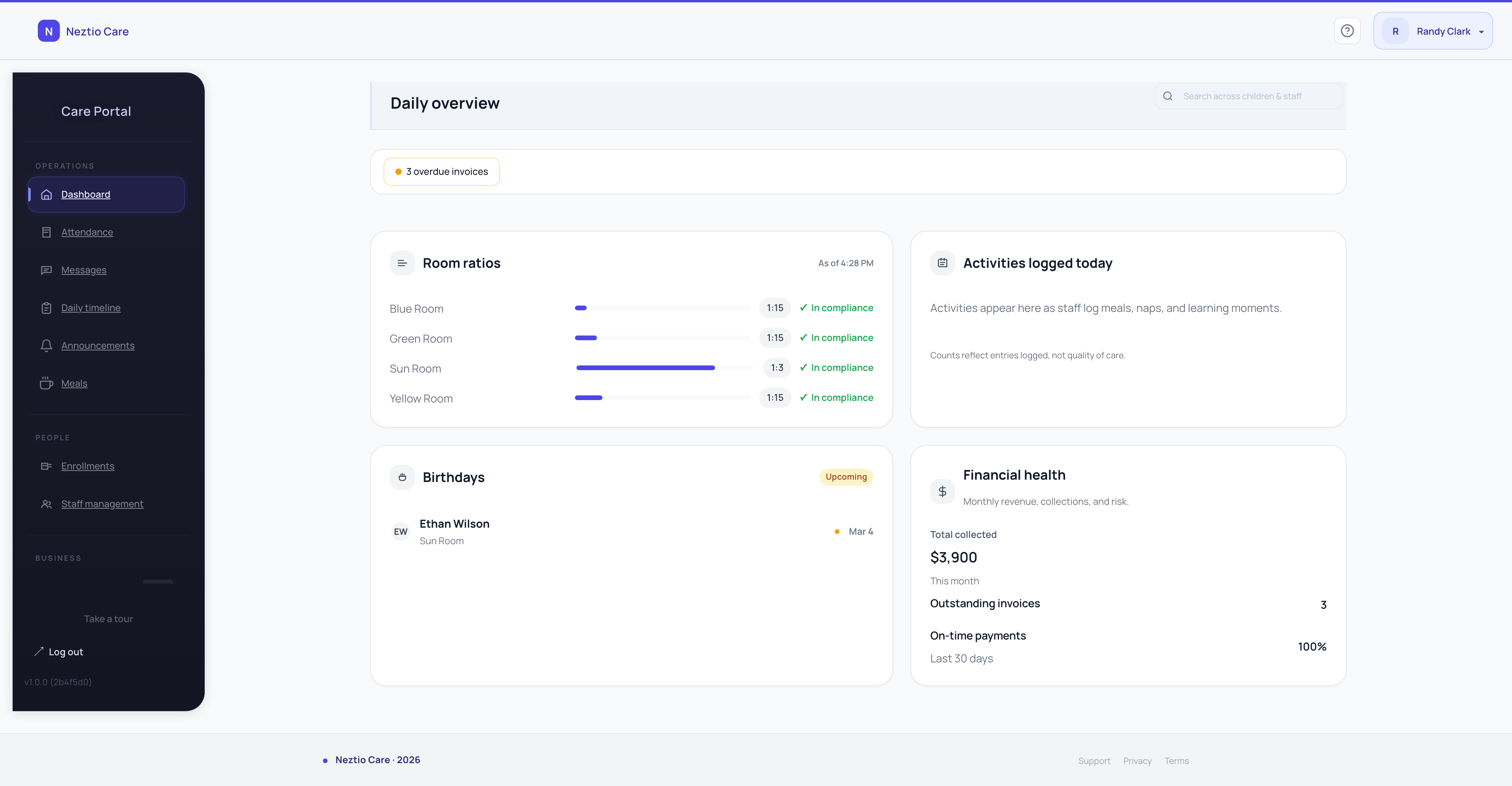
Estas proporciones provienen del 922 KAR 2:120. Los tamaños máximos de grupo para los centros Type I suelen ser el doble del número de la proporción. Verifica las proporciones actuales con la Division of Regulated Child Care, ya que pueden actualizarse. Para ayudarte a planificar el personal de tu salón, prueba nuestra calculadora de proporciones.
Requisitos de calificación y capacitación del personal
Kentucky tiene requisitos específicos para los directores y el personal que trabajan en instalaciones de cuidado infantil con licencia, regidos por el 922 KAR 2:110.
Calificaciones del director: Los directores deben cumplir con requisitos de educación y experiencia que incluyen una combinación de educación formal y experiencia remunerada documentada trabajando directamente con niños. Las vías que califican incluyen una licenciatura o maestría con 12 horas reloj de capacitación en desarrollo infantil, o un grado de asociado en educación de la primera infancia, o un grado de asociado en otro campo más 12 horas reloj de capacitación en desarrollo infantil, combinado con dos años de experiencia remunerada documentada en cuidado infantil.
Edad mínima y educación del personal: Todo el personal de cuidado infantil debe tener al menos 18 años y haber completado la educación secundaria (high school) o su equivalente.
Capacitación previa al servicio: El personal nuevo debe completar 15 horas de capacitación en salud y seguridad aprobada por el estado, incluyendo primeros auxilios pediátricos, RCP y prácticas de salud preventiva, antes de trabajar con niños.
Capacitación del primer año: Durante el primer año de empleo, el personal debe completar nueve horas adicionales de capacitación aprobada, que deben incluir una hora y media de capacitación sobre traumatismo craneal abusivo pediátrico.
Educación continua anual: Después del primer año, todo el personal debe completar 15 horas de capacitación cada año. Esto debe incluir una hora y media de capacitación sobre traumatismo craneal abusivo pediátrico cada cinco años.
RCP y primeros auxilios: El personal debe mantener en todo momento una certificación vigente de RCP y primeros auxilios pediátricos.
Requisitos de verificación de antecedentes
Kentucky exige verificaciones de antecedentes exhaustivas para todo el personal de cuidado infantil conforme al 922 KAR 2:280. El estado utiliza el sistema KARES (Kentucky Applicant Registry and Employment Screening) para procesar estas verificaciones.
¿Quién debe ser verificado?: Todos los propietarios, directores, miembros del personal, voluntarios y cualquier persona que tenga acceso sin supervisión a los niños bajo cuidado. Para los hogares de cuidado infantil familiar certificados, todos los miembros del hogar deben ser verificados.
Plataforma KARES: Las verificaciones de antecedentes se envían a través del sistema KARES en el Kentucky Online Gateway. Esta es la plataforma centralizada para todas las verificaciones de antecedentes de cuidado infantil en Kentucky.
National Background Check Program: Kentucky participa en el federal National Background Check Program, que incluye verificaciones de antecedentes penales del FBI basadas en huellas dactilares, registros penales estatales, verificaciones en el registro de delincuentes sexuales y verificaciones en el registro de abuso y negligencia infantil.
Tiempos: Las verificaciones de antecedentes deben completarse y aprobarse antes de que cualquier persona tenga acceso sin supervisión a los niños bajo cuidado. No hay un periodo provisional para este requisito.
Requisitos de instalaciones y espacio
Tu espacio físico debe cumplir con los estándares del 922 KAR 2:120 antes de que se pueda emitir una licencia. Los requisitos clave incluyen:
Espacio interior: Un mínimo de 35 pies cuadrados de espacio interior utilizable por niño. Esta medición excluye las cocinas, los baños, los pasillos y las áreas de almacenamiento.
Espacio exterior: Un mínimo de 60 pies cuadrados de espacio de juego exterior por niño. El área exterior debe estar separada y ser adicional al requisito de espacio interior.
Espacio de juego interior alternativo: Si un centro no tiene acceso a un área de juego exterior, un espacio de juego interior debe proporcionar al menos 60 pies cuadrados por niño, separado de los 35 pies cuadrados de espacio interior regular.
Seguridad contra incendios: Se requieren detectores de humo en funcionamiento, extintores de incendios y un plan de evacuación visible. Se deben realizar y documentar simulacros de incendio con regularidad.
Equipo apropiado para la edad: Todos los muebles, las cunas y el equipo de juego deben ser seguros, estar en buen estado y ser apropiados para las edades de los niños inscritos. Las cunas deben cumplir con los estándares vigentes de la CPSC.
Salud y saneamiento: Se deben cumplir y mantener instalaciones adecuadas para el lavado de manos, estaciones apropiadas para el cambio de pañales, áreas limpias de preparación de alimentos y estándares generales de saneamiento.
Requisitos de salud y seguridad
Los estándares de salud y seguridad de Kentucky conforme al 922 KAR 2:120 abarcan las operaciones diarias y se verifican durante las inspecciones.
Registros de vacunación: Se requieren registros de vacunación actualizados para todos los niños inscritos y deben estar archivados en las instalaciones.
Administración de medicamentos: Los medicamentos solo pueden administrarse con autorización escrita de los padres. Toda administración de medicamentos debe documentarse con el nombre del medicamento, la dosis, la hora y el miembro del personal que lo administró.
Prácticas de sueño seguro: Los bebés deben ser colocados boca arriba para dormir en cunas aprobadas. No se permiten ropa de cama suave, almohadas, protectores acolchados ni juguetes en la cuna.
Lavado de manos: Tanto el personal como los niños deben seguir los procedimientos adecuados de lavado de manos, incluyendo antes y después de las comidas, después de los cambios de pañales, después de usar el baño y después del juego al aire libre.
Procedimientos de emergencia: Los planes de emergencia por escrito deben estar visibles y practicarse con regularidad, abarcando incendios, clima severo, emergencias médicas y otras situaciones de crisis.
Exclusión por enfermedad: Los centros deben tener una política de enfermedad por escrito que indique cuándo los niños deben ser excluidos del cuidado y los procedimientos para notificar a los padres cuando un niño se enferma.
Requisitos de mantenimiento de registros
La licencia de Kentucky exige que las operaciones de cuidado infantil mantengan registros organizados que estén disponibles para su revisión durante las inspecciones. Mantenerte al día con la documentación es una de las formas más importantes de conservar el cumplimiento.
Registros de asistencia: Registros diarios de entrada y salida de cada niño, con la hora anotada en cada registro.
Registros de inscripción de los niños: Información completa de inscripción de cada niño, incluyendo contactos de emergencia, personas autorizadas para recogerlo, información médica, alergias y registros de vacunación.
Registros del personal: Expedientes de personal de cada empleado, incluyendo los resultados de las verificaciones de antecedentes a través de KARES, la documentación de capacitación, las certificaciones y el historial laboral.
Informes de incidentes: Documentación escrita de cualquier lesión, accidente o incidente inusual, incluyendo lo que sucedió y las acciones que se tomaron.
Bitácoras de simulacros de incendio y de emergencia: Documentación de cada simulacro realizado, incluyendo fecha, hora, número de niños y personal, y tiempo de evacuación.
Consejo: Un software de gestión de cuidado infantil como Neztio puede ayudarte a mantener registros digitales de asistencia, documentación del personal, facturación y comunicación con los padres, facilitando que te mantengas organizado y listo para las inspecciones.
Inspecciones y cumplimiento
Una vez que tengas la licencia, tu operación estará sujeta a un monitoreo continuo por parte de la Division of Regulated Child Care.
Inspecciones sin previo aviso: Los inspectores de licencias realizan inspecciones sin previo aviso durante las horas de operación. Estas pueden ocurrir en cualquier momento y pueden abarcar cualquier aspecto de tu operación, incluyendo las proporciones, el mantenimiento de registros, las condiciones de las instalaciones y las prácticas de salud y seguridad.
Investigaciones de quejas: La Division of Regulated Child Care investiga las quejas contra las instalaciones con licencia y certificadas. Las inspecciones relacionadas con quejas pueden ocurrir además de las visitas de rutina.
Acción correctiva: Si se identifican deficiencias durante una inspección, se le da a la instalación un plazo específico para corregir los problemas. El plazo depende de la gravedad de la deficiencia.
Acciones adversas: Las violaciones repetidas o graves pueden dar lugar a período de prueba de la licencia, suspensión de la licencia, revocación de la licencia u otras sanciones. Las violaciones que representen una amenaza inmediata para los niños pueden dar lugar a una acción de emergencia.
Kentucky All STARS: calificación y mejora de la calidad
Kentucky All STARS es el sistema voluntario de calificación y mejora de la calidad (QRIS) del estado para los programas de cuidado infantil. Reemplazó al anterior programa STARS for KIDS NOW y utiliza un sistema de calificación escalonado de cinco estrellas. All STARS está disponible para los hogares de cuidado infantil familiar Type I, Type II y certificados.
Nivel 1: Todos los proveedores con una licencia regular o preliminar en regla se inscriben automáticamente en el Nivel 1.
Nivel 2: Requiere que el 50 por ciento del personal docente tenga actividades de aprendizaje profesional en detección del desarrollo, la realización de una autoevaluación del entorno, y que el director del programa tenga al menos 10 horas de aprendizaje profesional en currículo y prácticas de instrucción o posea una credencial o título aprobado en la primera infancia.
Niveles 3-5: Los programas en estos niveles han participado en observaciones del entorno y han presentado evidencia de que cumplen con múltiples dominios y estándares más allá de los requisitos mínimos de licencia.
Incentivos de calidad: Los programas que alcanzan niveles de estrellas más altos, en particular el Nivel 5, son elegibles para incentivos monetarios que incluyen premios iniciales, recompensas anuales y pagos mejorados por inscripción con subsidio, mientras haya financiamiento disponible.
Recursos
Estos son recursos clave para los proveedores de cuidado infantil de Kentucky:
Division of Regulated Child Care: La agencia estatal oficial responsable de la licencia y certificación de cuidado infantil. Visita su sitio web en chfs.ky.gov para obtener materiales de solicitud, regulaciones e información de contacto.
Kentucky Administrative Regulations (922 KAR Chapter 2): El texto completo de las regulaciones de cuidado infantil de Kentucky, incluyendo el 922 KAR 2:090 (licencia de centros), el 922 KAR 2:100 (certificación de cuidado infantil familiar), el 922 KAR 2:110 (requisitos del proveedor) y el 922 KAR 2:120 (estándares de salud y seguridad).
Child Care Aware of Kentucky: Ofrece capacitación, asistencia técnica y recursos para los proveedores de cuidado infantil de todo el estado, incluyendo ayuda con los requisitos de desarrollo profesional.
KARES (Kentucky Applicant Registry and Employment Screening): La plataforma en línea utilizada para todas las verificaciones de antecedentes del personal de cuidado infantil, accesible a través del Kentucky Online Gateway.
Mantén el cumplimiento con las herramientas adecuadas
Cumplir con los requisitos de licencia de Kentucky es solo el comienzo. Mantener el cumplimiento día tras día requiere registros organizados, documentación constante y una comunicación clara con las familias y el personal. La mejor manera de prepararte para una inspección sin previo aviso es operar cada día como si pudiera ocurrir una.
Descubre cómo Neztio ayuda a los centros de cuidado infantil de Kentucky a gestionar la asistencia, la facturación, la administración del personal y la comunicación con los padres para que siempre estés listo para las inspecciones.
Relacionado
Lista de verificación de licencias de cuidado infantil: lo que todo centro nuevo necesita
Relacionado
Cómo abrir una guardería: guía paso a paso
Glossary terms in this article
Licencia
Permiso emitido por el estado para operar una instalación de cuidado infantil, que exige el cumplimiento de los estándares de salud, seguridad y personal.
Proporción de personal por niño
El número requerido de personal calificado por grupo de niños, establecido por las regulaciones estatales de licencia según la edad.
Verificación de antecedentes
Verificaciones de antecedentes penales y de registros requeridas para todos los trabajadores de cuidado infantil conforme a la CCDBG Act of 2014.
Tamaño de grupo
El número máximo de niños permitido en un solo salón o grupo de cuidado, determinado por las reglas estatales de licencia.
Acreditación
Certificación de calidad voluntaria de organizaciones como NAEYC o NAC que reconoce a los programas que superan los estándares mínimos de licencia.