Requisitos de licencia de cuidado infantil en Nebraska: una guía completa
Nebraska tiene un sistema de licencias estructurado para los proveedores de cuidado infantil, administrado por el Department of Health and Human Services (Departamento de Salud y Servicios Humanos) del estado. Ya sea que estés abriendo un centro de cuidado infantil nuevo o iniciando un programa en el hogar, esta guía cubre lo que necesitas saber para obtener y mantener una licencia de cuidado infantil en Nebraska.
Nota: Los requisitos de licencia cambian con frecuencia. Esta guía refleja las regulaciones vigentes a principios de 2026. Verifica siempre los requisitos actuales directamente con el Nebraska Department of Health and Human Services antes de tomar decisiones de cumplimiento.
Panorama general: ¿quién regula el cuidado infantil en Nebraska?
En Nebraska, las licencias de cuidado infantil son administradas por el Nebraska Department of Health and Human Services (Departamento de Salud y Servicios Humanos de Nebraska, DHHS), Division of Public Health, Licensure Unit. El DHHS es responsable de establecer los estándares mínimos, procesar las solicitudes de licencia, realizar inspecciones y hacer cumplir las regulaciones para todas las operaciones de cuidado infantil reguladas en el estado.
Nebraska exige una licencia para cualquier persona o entidad que brinde cuidado a cuatro o más niños de familias diferentes. El tipo de licencia que necesitas depende del tamaño y el entorno de tu operación:
Child Care Center: Una instalación que brinda cuidado a 13 o más niños. Los centros suelen ser operaciones comerciales y deben cumplir los estándares descritos en el Title 391 NAC, Chapter 3 del código administrativo de Nebraska.
Family Child Care Home I: Una operación en el hogar que brinda cuidado a entre 4 y 8 niños de edades mixtas, con hasta 2 niños adicionales en edad escolar permitidos durante las horas fuera del horario escolar. Este es el tipo de licencia más común para los proveedores en el hogar.
Family Child Care Home II: Una operación en el hogar que brinda cuidado a entre 4 y 12 niños. Debido a la mayor capacidad, se aplican requisitos adicionales de personal y espacio en comparación con un Family Child Care Home I.
Preschool: Un programa que atiende a niños de 3 a 5 años y que funciona menos de 6 horas al día. Los preescolares tienen su propio conjunto de estándares conforme al 391 NAC, Chapter 5.
School-Age-Only Center: Un programa que atiende únicamente a niños en edad escolar antes y después de la escuela, en los días festivos escolares y durante el verano. Estos centros tienen licencia conforme al 391 NAC, Chapter 4.
Importante
Los requisitos de licencia y las tarifas pueden cambiar. Verifica siempre los requisitos actuales directamente con la Nebraska DHHS Licensure Unit o visita su sitio web oficial para obtener la información más actualizada.
Cómo solicitar una licencia de cuidado infantil en Nebraska
El proceso de solicitud de licencia de cuidado infantil en Nebraska implica varios pasos. Prevé que el proceso tome de varias semanas a varios meses, según la rapidez con la que puedas cumplir todos los requisitos.
- 1
Comunícate con el DHHS y revisa las regulaciones
Antes de solicitarla, revisa las regulaciones específicas para tu tipo de licencia (391 NAC Chapter 1-5). El Nebraska DHHS proporciona estas regulaciones en línea, junto con un documento de Q&A que aclara las preguntas comunes sobre los estándares.
- 2
Presenta tu solicitud
Las solicitudes se presentan a través del sistema del Nebraska DHHS. Deberás proporcionar información sobre tu instalación, un plano o boceto que muestre las dimensiones y la distribución de las habitaciones, tu área de juego al aire libre y tu plan de personal. Las tarifas de solicitud varían según el tipo de licencia; consulta el sitio web del DHHS para conocer los montos actuales.
- 3
Completa las verificaciones de antecedentes de todo el personal
Todo el personal, los voluntarios y los miembros del hogar (para los programas en el hogar) deben aprobar las verificaciones de antecedentes basadas en huellas dactilares a través de la Nebraska State Patrol y el FBI antes de poder tener contacto con los niños. Las verificaciones de antecedentes deben renovarse cada cinco años.
- 4
Completa la capacitación previa al servicio requerida
Los directores y el personal deben completar la capacitación previa al servicio aprobada por el Nebraska Department of Education antes de comenzar a trabajar con niños. La capacitación cubre salud y seguridad, preparación para emergencias, crecimiento y desarrollo infantil, y otros temas requeridos.
- 5
Aprueba las inspecciones de incendios y de salud
Tu instalación debe aprobar las inspecciones del State Fire Marshal (o de la autoridad local delegada) y del DHHS. Estas inspecciones verifican que tu espacio cumpla los requisitos de seguridad, sanidad y capacidad.
- 6
Recibe tu licencia
Una vez que hayas cumplido todos los requisitos y aprobado las inspecciones, el DHHS emitirá tu licencia de cuidado infantil. Tu capacidad autorizada será determinada por el Departamento en función del espacio disponible y de la capacidad autorizada por el State Fire Marshal. La licencia debe exhibirse en un lugar visible de tu instalación.
Requisitos de proporción de personal por niño en Nebraska
Nebraska establece proporciones específicas de personal por niño según las edades de los niños bajo cuidado. Estas proporciones se definen en el Nebraska Administrative Code (391 NAC) y deben mantenerse en todo momento, incluso durante el juego al aire libre, las transiciones y las excursiones.
| Grupo de edad | Proporción de personal por niño |
|---|---|
| 6 semanas a 17 meses (bebés) | 1:4 |
| 18 meses a 36 meses (niños pequeños) | 1:6 |
| 3 años | 1:10 |
| 4 a 5 años (preescolar) | 1:12 |
| Edad escolar (que asisten a la escuela, hasta 12 años) | 1:15 |
Cuando se agrupan niños de edades mixtas, se aplica la proporción correspondiente al niño más pequeño del grupo. En cualquier sala que incluya bebés, la proporción de 1:4 para bebés debe mantenerse para esos bebés independientemente de las edades de los demás niños presentes.
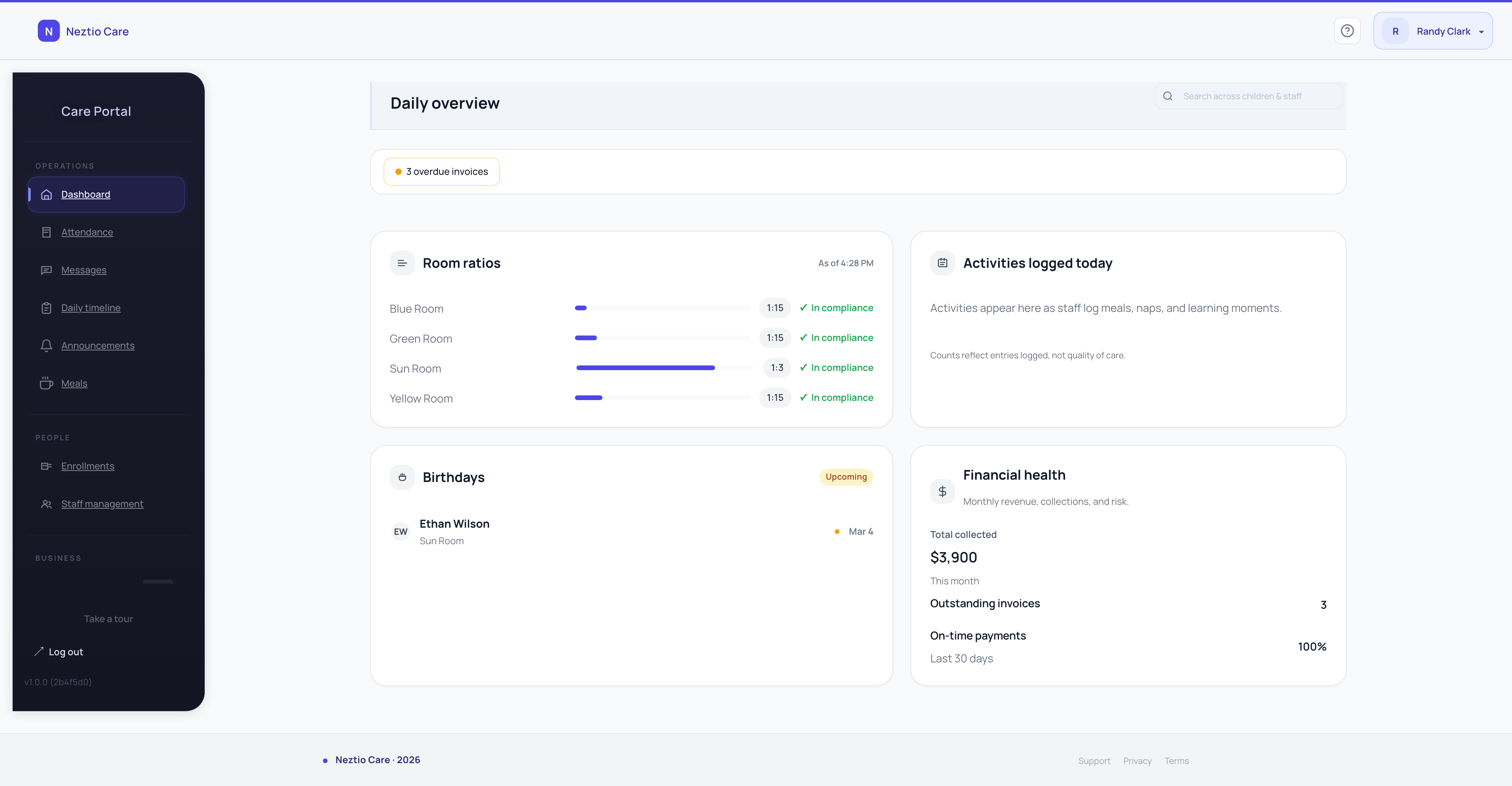
Estas proporciones provienen del Nebraska Administrative Code. Verifica las proporciones actuales con el DHHS, ya que podrían actualizarse periódicamente. Para ayudarte a planificar el personal de tu aula, prueba nuestra calculadora de proporciones.
Requisitos de calificación y capacitación del personal
Nebraska tiene requisitos específicos para los directores y el personal que trabajan en programas de cuidado infantil con licencia. Toda la capacitación utilizada para cumplir los requisitos de licencia debe ser aprobada por el Nebraska Department of Education, Office of Early Childhood.
Calificaciones del director: Los directores de los centros de cuidado infantil deben tener al menos 19 años y contar con un diploma de escuela secundaria o GED. Los directores de centros deben tener un título de licenciatura de un colegio o universidad acreditada en educación de la primera infancia, educación o desarrollo del niño y del joven. Los directores también deben completar 45 horas reloj (o 3 créditos semestrales) de capacitación previa al servicio dentro de los seis meses posteriores a la contratación.
Capacitación anual del director: Los directores deben completar 12 horas reloj de capacitación en servicio aprobada al año, que abarque temas como el desarrollo infantil, la orientación, la salud y la gestión del programa.
Capacitación previa al servicio del personal: Todo el personal debe completar la orientación y la capacitación previas al servicio antes de trabajar solo con niños. Los temas de capacitación incluyen salud y seguridad, preparación para emergencias, crecimiento y desarrollo infantil, y las Nebraska Early Childhood Learning Guidelines.
Capacitación anual del personal: Los miembros del personal que promedian más de 20 horas por semana deben completar 12 horas de capacitación en servicio aprobada al año. El personal que promedia menos de 20 horas por semana debe completar 6 horas al año.
RCP y primeros auxilios: Al menos un miembro del personal con certificación vigente en RCP pediátrico y primeros auxilios debe estar presente en todo momento cuando haya niños bajo cuidado. La capacitación en primeros auxilios y RCP es un requisito para cada tipo de licencia.
Verificaciones de antecedentes: Todo el personal debe aprobar las verificaciones del historial penal basadas en huellas dactilares a través de la Nebraska State Patrol y el FBI. También se requieren verificaciones del registro de delincuentes sexuales y del registro de abuso y negligencia infantil. Las verificaciones de antecedentes deben completarse antes de que una persona tenga contacto directo con niños y renovarse cada cinco años.
Requisitos de instalaciones y espacio
Tu espacio físico debe cumplir los estándares mínimos de Nebraska antes de que se pueda emitir una licencia. La capacidad autorizada la determina el DHHS en función del espacio disponible y de la capacidad autorizada por el State Fire Marshal o la autoridad delegada.
Espacio interior: Un mínimo de 35 pies cuadrados de espacio de actividad utilizable por niño. Esta medición excluye cocinas, baños, pasillos, áreas de almacenamiento y espacios exclusivos para el personal. Los solicitantes deben presentar un plano o boceto que muestre las dimensiones y la disposición de las habitaciones que usarán los niños.
Espacio exterior: Las áreas de juego al aire libre deben proporcionar espacio adecuado para los niños y estar libres de peligros. Las áreas deben estar cercadas para evitar que los niños salgan sin supervisión y deben estar libres de desechos de animales.
Seguridad contra incendios: Las instalaciones deben aprobar una inspección de incendios por parte del State Fire Marshal o la autoridad local delegada. Deben instalarse y mantenerse detectores de humo y extintores de incendios en funcionamiento. Se requieren simulacros de incendio periódicos y deben documentarse.
Equipo apropiado para la edad: Todos los muebles, cunas y equipos de juego deben ser seguros, estar en buen estado y ser apropiados para las edades de los niños inscritos. Las cunas y el equipo de sueño deben cumplir los estándares vigentes de la Consumer Product Safety Commission (CPSC).
Sanidad: Las instalaciones deben cumplir los estándares de salud y sanidad, incluidos los procedimientos adecuados para el cambio de pañales, estaciones de lavado de manos accesibles para los niños, áreas limpias de preparación de alimentos y limpieza general en todo el edificio.
Requisitos de verificación de antecedentes
Nebraska exige verificaciones de antecedentes exhaustivas para cualquier persona involucrada en el cuidado de niños en una instalación con licencia. Estas verificaciones deben completarse antes de que una persona tenga contacto directo con niños.
Quién debe ser verificado: Todos los propietarios, directores, personal, sustitutos y voluntarios que tengan acceso sin supervisión a los niños. Para las operaciones en el hogar, todos los miembros del hogar también deben ser verificados.
Verificaciones basadas en huellas dactilares: Las verificaciones de antecedentes requieren un conjunto completo de huellas dactilares enviadas a la Nebraska State Patrol, que las procesa a través de las bases de datos del historial penal tanto estatales como del FBI. Hay ubicaciones de toma de huellas dactilares LiveScan disponibles en todo el estado.
Verificaciones de registros: La verificación incluye el registro de delincuentes sexuales y el registro de abuso y negligencia infantil de Nebraska (Central Registry).
Renovación: Las verificaciones de antecedentes deben renovarse cada cinco años para todo el personal. También se requieren nuevas verificaciones cuando una persona se traslada a una operación con licencia diferente.
Delitos descalificadores: Las condenas por delitos graves, las determinaciones de abuso o negligencia infantil y las inclusiones en el registro de delincuentes sexuales están entre los factores que descalifican a una persona para trabajar en una operación de cuidado infantil con licencia.
Requisitos de salud y seguridad
Los estándares de licencia de Nebraska incluyen requisitos detallados de salud y seguridad que las operaciones con licencia deben seguir todos los días.
Registros de vacunación: Se requieren registros de vacunación actualizados para todos los niños inscritos. Los registros deben estar archivados y disponibles para inspección en todo momento.
Administración de medicamentos: Los medicamentos solo pueden administrarse con autorización escrita de los padres. Toda administración de medicamentos debe documentarse, incluidos el nombre del medicamento, la dosis, la hora en que se dio y el miembro del personal que lo administró.
Políticas sobre alergias: Los programas que cuidan a un niño con una alergia conocida a un alimento u otra sustancia deben tener una política por escrito para abordar los incidentes de anafilaxia. A partir del 1 de julio de 2026, este requisito se aplica a todos los programas que aún no cuenten con dicha política.
Prácticas de sueño seguro: Para los bebés, Nebraska exige el cumplimiento de las pautas de sueño seguro. Los bebés deben colocarse boca arriba para dormir en cunas aprobadas, sin ropa de cama blanda, almohadas, protectores acolchados ni juguetes en la cuna.
Lavado de manos: Tanto el personal como los niños deben seguir procedimientos adecuados de lavado de manos, incluidos antes y después de las comidas, después de los cambios de pañal, después de usar el baño y después del juego al aire libre.
Procedimientos de emergencia: Los procedimientos de emergencia por escrito deben exhibirse y practicarse con regularidad. El personal debe estar capacitado en preparación para emergencias, incluidos los procedimientos para incendios, condiciones climáticas severas, emergencias médicas y otras situaciones de crisis.
Requisitos de mantenimiento de registros
Las licencias de Nebraska exigen que las operaciones de cuidado infantil mantengan registros detallados que estén disponibles para su revisión durante las inspecciones. Mantener estos registros organizados y actualizados es esencial para mantener el cumplimiento.
Registros de asistencia: Registros diarios de entrada y salida de cada niño, con la hora registrada para cada entrada.
Registros de inscripción de los niños: Información completa de inscripción de cada niño, incluidos contactos de emergencia, personas autorizadas para recogerlo, información médica, alergias y registros de vacunación.
Registros del personal: Expedientes de personal de cada empleado, incluidos los resultados de las verificaciones de antecedentes, la documentación de capacitación, las certificaciones y el historial laboral.
Informes de incidentes: Documentación por escrito de cualquier lesión, accidente o incidente inusual que ocurra en la instalación.
Registros de simulacros de incendio: Documentación de cada simulacro de incendio realizado, incluidos la fecha, la hora y el número de niños y personal presentes.
Registros de medicamentos: Registros de todos los medicamentos administrados a los niños, junto con los formularios de autorización de los padres.
Consejo: Un software de gestión de cuidado infantil como Neztio puede ayudarte a mantener registros digitales de asistencia, documentación del personal, facturación y comunicación con los padres, lo que facilita mucho mantenerte organizado y listo para una inspección en todo momento.
Step Up to Quality: el programa QRIS de Nebraska
Step Up to Quality es el Quality Rating and Improvement System (Sistema de Calificación y Mejora de la Calidad, QRIS) de Nebraska, establecido por la Nebraska Legislature en 2013. Es un programa voluntario que reconoce a los programas de cuidado infantil y educación temprana que van más allá de los estándares mínimos de licencia para brindar un cuidado de mayor calidad.
Escala de calificación: Los programas se califican en una escala del Step 1 (más bajo) al Step 5 (más alto), según qué tan bien cumplen los estándares de calidad en múltiples dominios.
Quién puede participar: Los centros de cuidado infantil, los hogares de cuidado infantil familiar, los programas Head Start y los programas preescolares en escuelas son todos elegibles para participar. Los programas que aceptan fondos públicos (como subsidios de cuidado infantil) están obligados a participar.
Beneficios: Los programas inscritos en Step Up to Quality reciben capacitación especializada, acceso a recursos e incentivos financieros. Una calificación más alta puede ayudar a atraer a familias que buscan cuidado de calidad y puede aumentar las tasas de reembolso de subsidios.
Participación: Más de 500 programas en todo Nebraska han sido calificados a través del sistema Step Up to Quality. La información sobre los programas participantes está disponible para los padres a través del sitio web de Step Up to Quality.
Inspecciones y cumplimiento continuo
Una vez que tengas la licencia, tu operación estará sujeta a un monitoreo continuo por parte del DHHS para verificar el cumplimiento continuo de todos los estándares aplicables.
Inspecciones sin previo aviso: El DHHS realiza inspecciones sin previo aviso de las operaciones de cuidado infantil con licencia durante el horario normal de funcionamiento. Estas inspecciones pueden ocurrir en cualquier momento y pueden abarcar cualquier aspecto de tu operación, incluidas las proporciones, la seguridad, la sanidad y el mantenimiento de registros.
Registros públicos: Los resultados de las inspecciones y las acciones de licencia son de dominio público. Los padres pueden consultar el estado y el historial de cualquier operación con licencia a través de la herramienta de búsqueda de licencias del Nebraska DHHS en línea.
Acción correctiva: Si se encuentran deficiencias durante una inspección, se otorga a la operación un plazo específico para corregir los problemas. El plazo depende de la gravedad de la deficiencia.
Acciones adversas: Las violaciones repetidas o graves pueden dar lugar a acciones adversas, incluidos un período de prueba, la suspensión de la licencia, la revocación de la licencia o sanciones monetarias. Las violaciones que representen una amenaza inmediata para los niños pueden dar lugar a una acción de emergencia.
Recursos
Estos son recursos clave para los proveedores de cuidado infantil de Nebraska:
Nebraska DHHS Child Care Licensing: El sitio web oficial de la agencia estatal para las licencias de cuidado infantil, que incluye regulaciones, materiales de solicitud, documentos de Q&A y la herramienta de búsqueda de licencias en línea.
Step Up to Quality: El programa Quality Rating and Improvement System (QRIS) de Nebraska. Visita stepuptoquality.ne.gov para obtener información sobre la inscripción, los estándares de calificación y los recursos disponibles para los programas participantes.
Nebraska Department of Education, Office of Early Childhood: Responsable de aprobar la capacitación que cumple los requisitos de licencia de cuidado infantil previos al servicio y en servicio. Su sitio web incluye la Pre-Service Training Guide para directores y maestros.
Estatutos de cuidado infantil de Nebraska: El texto completo de la Child Care Licensing Act de Nebraska y los estatutos relacionados está disponible en línea a través del sitio web de la Nebraska Legislature.
Mantén el cumplimiento con las herramientas adecuadas
Cumplir los requisitos de licencia de Nebraska es solo el comienzo. Mantener el cumplimiento día tras día requiere registros organizados, documentación constante y una comunicación clara con las familias y el personal. La mejor manera de prepararse para una inspección sin previo aviso es operar cada día como si pudiera ocurrir una.
Descubre cómo Neztio ayuda a los centros de cuidado infantil de Nebraska a gestionar la asistencia, la facturación, la administración del personal y la comunicación con los padres para que siempre estés listo para una inspección.
Relacionado
Lista de verificación para licencias de cuidado infantil: lo que todo centro nuevo necesita
Relacionado
Cómo abrir una guardería: una guía paso a paso
Glossary terms in this article
Licencias
Permiso emitido por el estado para operar una instalación de cuidado infantil, que exige el cumplimiento de estándares de salud, seguridad y personal.
Proporción de personal por niño
El número requerido de personal calificado por grupo de niños, establecido por las regulaciones estatales de licencia según la edad.
Verificación de antecedentes
Verificaciones del historial penal y de registros exigidas para todos los trabajadores de cuidado infantil conforme a la Ley CCDBG de 2014.
Tamaño del grupo
El número máximo de niños permitido en un solo salón o grupo de cuidado, determinado por las reglas estatales de licencia.
Acreditación
Certificación voluntaria de calidad de organizaciones como NAEYC o NAC que reconoce los programas que superan los estándares mínimos de licencia.