Running an Infant Room: Ratios, Safety, and Parent Communication
The infant room is the most regulated, most watched, and most emotionally charged classroom in any childcare center. Parents are entrusting you with their youngest, most vulnerable family member. Getting the details right on ratios, safe sleep, feeding, and daily communication is not optional. This guide covers what every director and infant room lead teacher needs to know.
1. Infant Ratios and Group Sizes
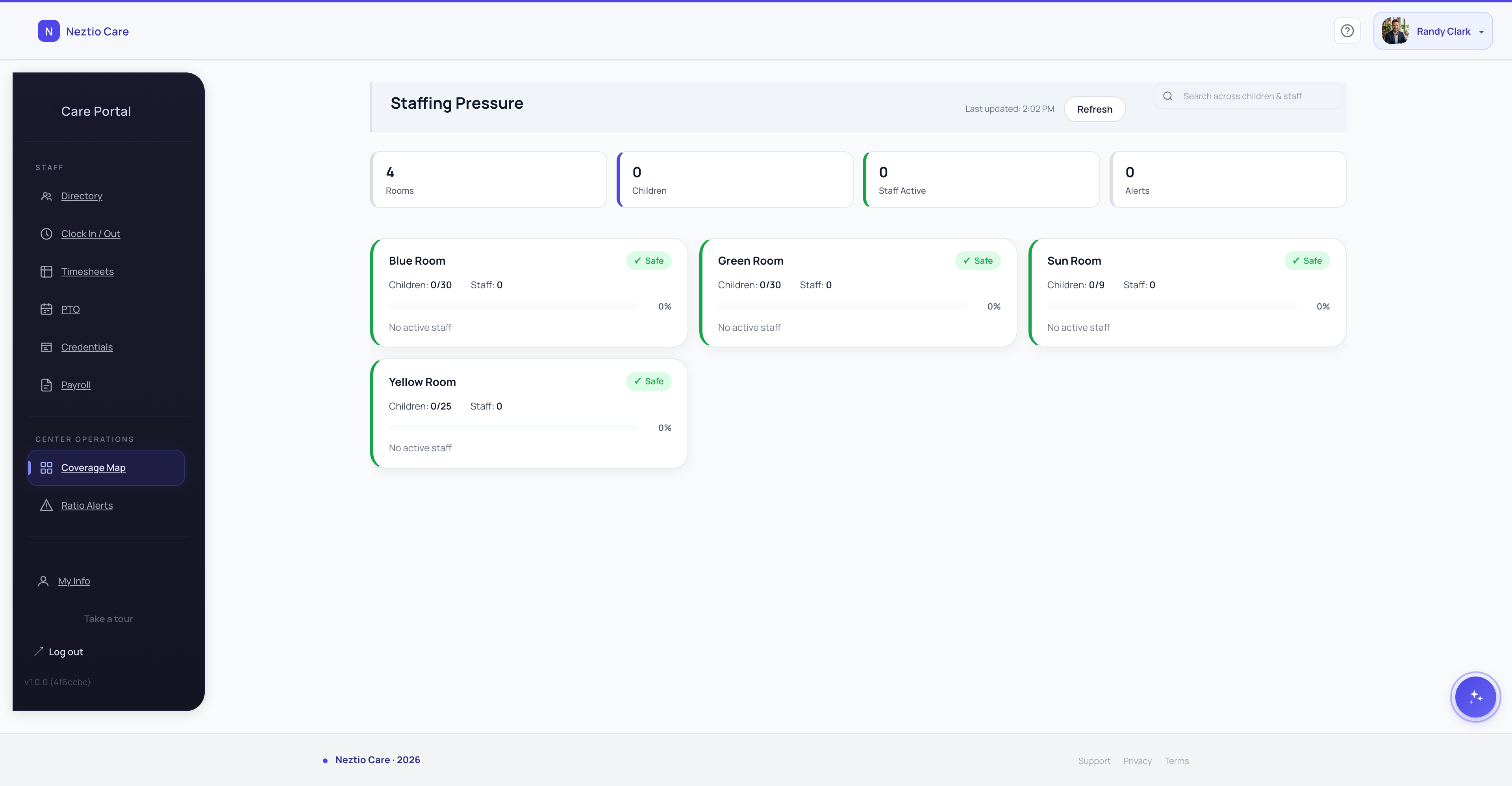
Infant classrooms carry the strictest staff-to-child ratios in childcare. Most states require a ratio of 1:3 (one caregiver for every three infants) or 1:4, depending on the age range. Some states define "infant" as birth to 12 months, while others extend it to 18 months. Maximum group sizes are typically capped at 6 to 8 infants, even if you have enough staff for more.
Why these ratios matter:
- -Infants cannot communicate their needs verbally. A caregiver needs to be able to read cues, such as hunger, discomfort, or tiredness, for each baby in their care. With too many infants per adult, cues get missed.
- -Infants require frequent one-on-one interactions: feeding, diapering, soothing, and holding. These tasks are time-intensive and cannot be rushed.
- -Licensing violations for ratio infractions in infant rooms carry some of the most serious penalties, including immediate closure orders in some states.
Practical tips:
- -Know your state's exact ratio and group size requirements. Do not rely on general guidelines. Check your state's licensing agency website for the current numbers.
- -Build your staffing schedule with overlap during peak times (morning drop-off, afternoon feedings). A single staff absence can put you out of ratio if you do not have a plan.
- -Use a ratio calculator to plan staffing across different enrollment scenarios.
2. Safe Sleep Requirements
Safe sleep practices in childcare are guided by the American Academy of Pediatrics (AAP) and enforced through state licensing regulations. Every infant room must follow these guidelines without exception.
AAP safe sleep guidelines:
- -Back to sleep, every sleep. Infants must be placed on their backs for every nap. If a baby rolls onto their stomach on their own and can roll both ways independently, they may be left in that position, but they must always be placed down on their back.
- -Firm, flat sleep surface. Cribs must have a firm, flat mattress with a fitted sheet. No inclined sleepers, bouncers, swings, or car seats for sleep.
- -Nothing in the crib. No blankets, pillows, bumper pads, stuffed animals, or loose bedding. The only items in the crib should be the mattress and a fitted sheet.
- -Individual cribs required. Each infant must have their own designated crib. Sharing sleep spaces is never permitted.
Sleep checks:
- -Most states require staff to visually check sleeping infants at regular intervals, typically every 10 to 15 minutes. Some states require checks as frequently as every 5 minutes for infants under a certain age. Know your state's specific requirement.
- -Document sleep checks with timestamps. This documentation is reviewed during licensing inspections.
Staff training:
Every staff member who works in the infant room, including substitutes and floaters, must receive safe sleep training before caring for infants. Many states require annual refresher training. Do not assume that experience with infants equals knowledge of current safe sleep guidelines, as recommendations have changed significantly over the years.
3. Feeding and Nutrition
Feeding is one of the most time-consuming and detail-sensitive responsibilities in the infant room. Every baby has their own schedule, preferences, and dietary needs. Getting this right requires clear systems and constant communication with families.
Breast milk and formula handling:
- -All bottles and containers must be labeled with the child's full name and the date. Breast milk and formula should never be shared between children under any circumstances.
- -Follow proper storage guidelines: refrigerate breast milk immediately, use within the timeframe established by your state's licensing rules, and never refreeze thawed breast milk.
- -Warm bottles using warm water, not a microwave. Microwaving creates hot spots that can burn an infant's mouth.
Individual feeding plans:
- -Collect a written feeding plan from each family at enrollment. This should include what the baby eats (breast milk, formula brand, or both), how often, how much per feeding, and any known allergies or sensitivities.
- -When introducing solid foods, follow the family's pediatrician guidance. Do not introduce new foods without parent consent. Allergies can be life-threatening, and new foods should be introduced at home first where the family can monitor for reactions.
CACFP and documentation:
- -The Child and Adult Care Food Program (CACFP) covers infant formula and age-appropriate solid foods for participating centers. If your center participates, you must follow CACFP meal pattern requirements for infants, which are broken into two age groups: birth through 5 months and 6 through 11 months.
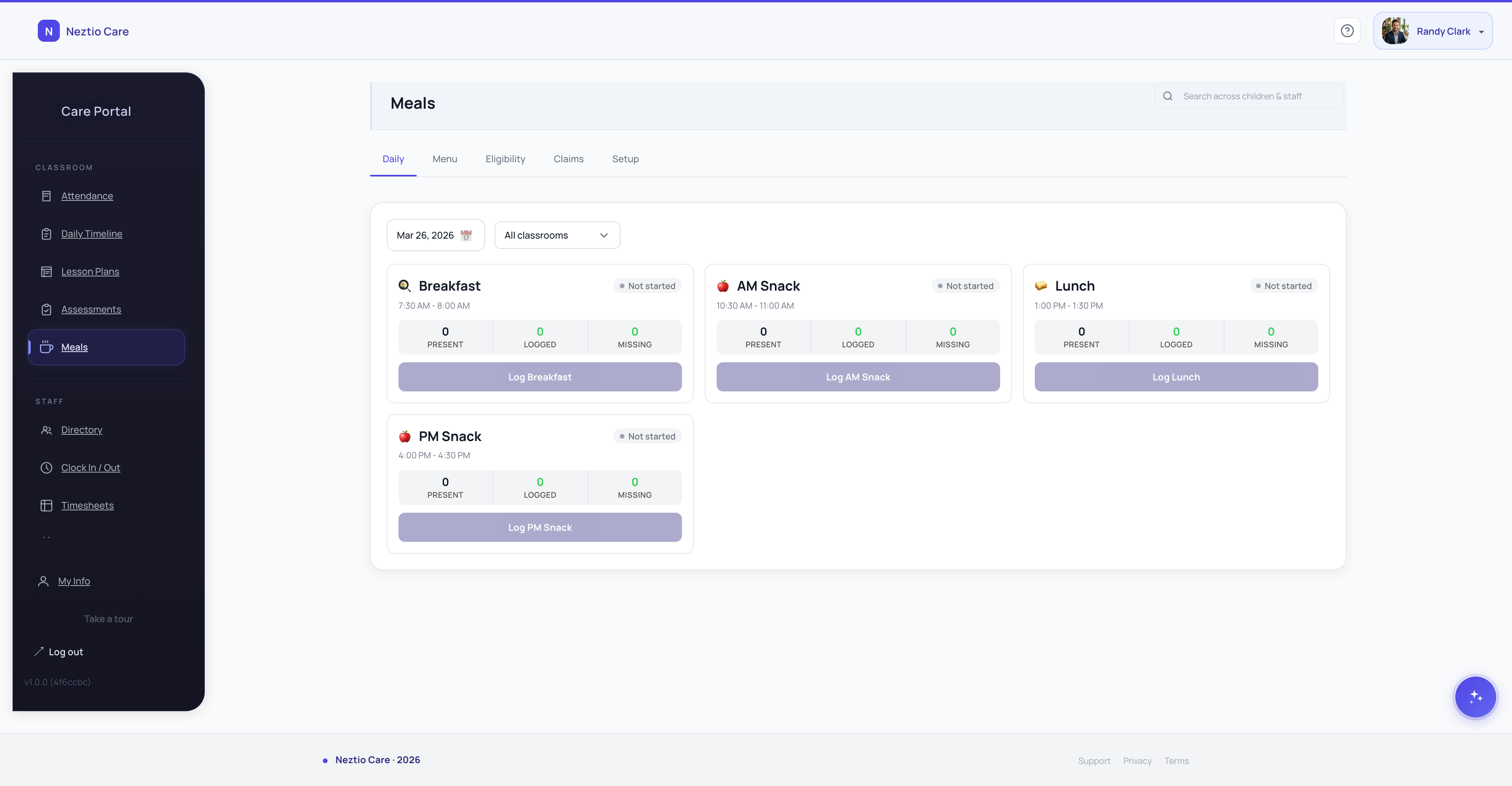
- -Document every feeding: time, amount consumed, and any notes (refused bottle, tried new food, etc.). This documentation serves licensing requirements and gives parents a clear picture of their baby's day.
4. Diapering Procedures
Diapering is not just a care routine. It is a health and safety procedure governed by state licensing regulations. Proper diapering prevents the spread of illness and protects both children and staff.
Standard diapering steps (required by most states):
- -Gather all supplies before placing the child on the changing surface. Never leave an infant unattended on a changing table.
- -Wear disposable gloves for every diaper change.
- -Clean the child thoroughly, front to back for girls, and apply any parent-provided creams or ointments.
- -Remove gloves, dispose of the soiled diaper in a hands-free lidded container, and sanitize the changing surface with an approved disinfectant between every child.
- -Wash the caregiver's hands and the child's hands after every change. This is one of the most effective ways to prevent the spread of gastrointestinal illness in childcare settings.
Documentation:
Record every diaper change with the time and whether it was wet, soiled, or both. This information is important for tracking an infant's health (dehydration, digestive issues) and is typically shared with parents through daily reports. Parents of infants pay close attention to diaper counts, especially in the early months when output is an indicator of adequate feeding.
5. Daily Communication with Infant Parents
Parents of infants need more detailed daily communication than parents of any other age group. First-time parents especially want reassurance that their baby is eating, sleeping, and being cared for attentively. The information you share each day directly affects their confidence in your program.
What to track and share daily:
- -Feedings: Time of each feeding, amount consumed (ounces for bottles, description for solids), and any notes (refused bottle, tried a new puree).
- -Diaper changes: Time and type (wet, soiled, or both).
- -Naps: Start and end time, total duration, and how the baby settled (easily, needed soothing, fussy).
- -Activities: Tummy time, sensory play, reading, music, outdoor time. Even brief notes help parents understand how their baby spent the day.
- -Milestones and mood: "Rolled from tummy to back for the first time today," "Smiled and laughed during peek-a-boo," or "Seemed fussy after lunch, may be teething."
Tracking all of this on paper is possible but time-consuming, and paper logs often get lost or are hard to read at pickup. Childcare management software like Neztio lets infant room teachers log feedings, diaper changes, naps, activities, and milestones throughout the day. Parents receive these updates automatically through the Neztio parent app (available on iOS and Android), so they can check in on their baby's day in real time without calling the center.
Why real-time matters for infant parents:
A parent going back to work after parental leave is often checking their phone anxiously during the first few weeks. Seeing a mid-morning update that their baby ate well and is napping peacefully provides genuine relief. Waiting until pickup for all of that information means a full day of uncertainty.
6. Staff Qualifications for Infant Care
Working with infants requires specialized knowledge that goes beyond general early childhood education training. Many states recognize this by mandating additional credentials or training hours for infant room staff.
Common requirements:
- -Infant/toddler-specific coursework. Many states require infant room teachers to complete a certain number of training hours specifically focused on infant and toddler development, in addition to general early childhood education requirements.
- -Infant CPR and first aid. Standard CPR certification is not sufficient. Infant CPR techniques differ from child and adult CPR (compressions with two fingers rather than the heel of the hand, different rescue breath technique). All infant room staff must hold current infant CPR certification.
- -Understanding of 0-18 month development. Infant caregivers need to recognize developmental milestones and red flags. This includes gross motor milestones (head control, rolling, sitting, crawling, pulling to stand), fine motor development (grasping, transferring objects), language development (cooing, babbling, first words), and social-emotional development (attachment behaviors, stranger anxiety, separation anxiety).
Why low turnover matters even more in infant rooms:
Infants form attachments to their primary caregivers. When an infant room teacher leaves, it is not just an operational disruption. It is an emotional one for the babies in their care. Research on infant attachment consistently shows that having a consistent, responsive caregiver is foundational to healthy development. Directors should prioritize retention in the infant room through competitive pay, manageable group sizes, and adequate planning time.
7. Environment and Equipment
The physical setup of an infant room is heavily regulated and directly affects both safety and the quality of care you can provide.
Key requirements:
- -Separate infant room. Most states require infants to be in a dedicated classroom, physically separated from older age groups. This protects infants from the noise, movement, and small objects found in toddler and preschool rooms.
- -Floor space for tummy time. Infants need safe, clean floor space for supervised tummy time and free movement. The floor should be cleaned and sanitized regularly throughout the day.
- -Age-appropriate toys. All toys must be large enough to pass the small parts test (too large to fit through a toilet paper roll). No toys with detachable small pieces, strings longer than 6 inches, or sharp edges.
- -Separate sleep and play areas. The sleep area should be quieter and dimmer than the play area. Cribs should be spaced at least 3 feet apart (check your state's specific spacing requirements) to reduce the spread of airborne illness and allow staff to move freely between cribs during sleep checks.
- -Diapering station placement. The changing area should be within sight of the rest of the room so a teacher changing a diaper can still see the other infants. It should be near a sink for handwashing.
8. Transitioning to the Toddler Room
The transition from the infant room to the toddler room is a significant milestone for children and families. Handling it well strengthens parent trust. Handling it poorly can cause unnecessary stress and even lead to disenrollment.
When to transition:
- -Most centers transition children between 12 and 18 months, based on a combination of age and developmental readiness (walking steadily, eating table food, following a one-nap schedule). State licensing may define specific age cutoffs for when a child must move to a toddler ratio classroom.
- -Readiness is not just physical. Some children are walking at 10 months but are not emotionally ready for the larger group size and faster pace of a toddler room. Use professional judgment in addition to age benchmarks.
How to transition well:
- -Gradual exposure. Start with short visits to the toddler room (30 minutes, then an hour, then a morning) over one to two weeks. This lets the child get comfortable with the new space, teachers, and peers.
- -Communicate early. Give families at least two to four weeks' notice before a transition begins. Share the timeline, introduce the new teachers, and explain what will change (schedule, nap routine, meals, activities).
- -Transfer information. The toddler room teachers should receive a handoff that includes the child's feeding preferences, nap patterns, comfort strategies, allergies, and any developmental notes. Parents should not have to re-explain everything.
- -Check in after the move. Follow up with parents during the first week in the new room. A quick message saying "Maya had a great first full day in the Butterfly Room. She ate well at lunch and napped for an hour" goes a long way toward easing the transition for families.
Building a Strong Infant Program
Running an excellent infant room comes down to two things: strict adherence to safety and licensing requirements, and clear, consistent communication with families. The ratios, safe sleep rules, and diapering procedures are non-negotiable. The daily reports, milestone updates, and transition planning are what set your program apart.
See how Neztio helps infant rooms track feedings, naps, diaper changes, and milestones while keeping parents informed in real time. Explore all features or get started free.
Related
Staff-to-Child Ratios: What Every Childcare Center Needs to Know
Related
Health and Safety in Childcare: A Complete Guide
Glossary terms in this article
Staff-to-Child Ratio
The number of children each caregiver is responsible for in a childcare setting, regulated by state licensing agencies based on the age of the children.
Licensing
The process of meeting state-mandated requirements to legally operate a childcare facility, covering ratios, safety, staff qualifications, and facility standards.
Daily Report
A summary of a child's day at the center, typically including activities, meals, naps, and notable moments shared with parents.
Parent Communication
The ongoing exchange of information between childcare providers and families about a child's daily experience, development, and center operations.